Passing an NSF/ANSI 455-2 Audit: The Gold Standard for Gummy CMOs

Passing an NSF/ANSI 455-2 Audit: The Gold Standard for Gummy CMOs
In the dietary supplement industry, claims of "High Quality" and "GMP Compliant" are thrown around loosely on the websites of almost every Contract Manufacturing Organization (CMO).
However, when massive retail chains (like Target, CVS, or Whole Foods) or hyper-strict international regulatory bodies evaluate a brand, they do not accept marketing claims. They demand independent, third-party verification that the facility manufacturing the product operates at the absolute highest echelon of safety and quality.
The undisputed gold standard for this verification is the NSF/ANSI 455-2 Dietary Supplements Good Manufacturing Practice (GMP) Certification.
Here is what this audit entails, and why private label brands should demand this certification from their manufacturing partners.
What is NSF/ANSI 455-2?
The NSF (National Sanitation Foundation) is an independent, accredited organization that develops public health standards and certification programs. The ANSI 455-2 standard is specifically tailored for dietary supplements.
While FDA 21 CFR Part 111 establishes the federal law for GMPs, the FDA does not have the manpower to inspect every facility every year. The NSF 455-2 audit acts as a rigorous, private enforcement of these FDA laws, often exceeding the federal requirements in its strictness.
The Brutal Reality of the Audit
Passing an NSF 455-2 audit is not a matter of filling out a questionnaire. An expert auditor arrives at the CMO facility for a multi-day, deep-dive inspection. They evaluate the facility across several critical pillars:
1. Document Control (The Paper Trail)
If it isn't documented, it didn't happen. The auditor will pull a random bottle of finished gummies from the warehouse and demand the CMO trace it backward. The CMO must produce the Master Manufacturing Record (MMR), the specific Batch Record, the exact time the pectin was boiled, the identity of the technician who added the active ingredients, and the inbound FTIR identity tests for every raw material in that specific bottle.
2. Supply Chain Verification
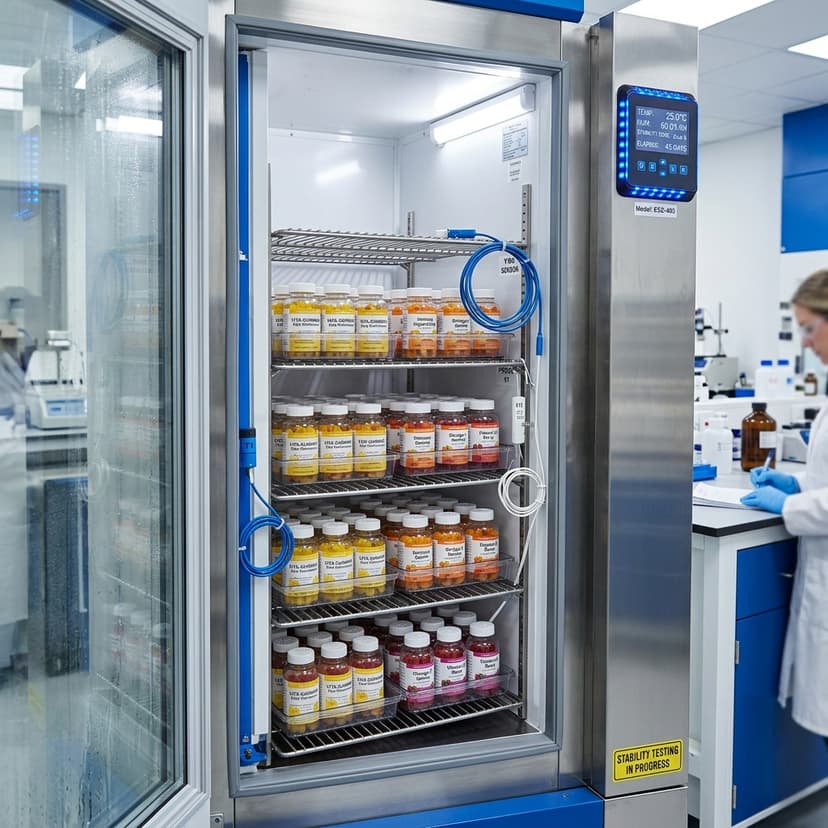
The NSF auditor will inspect the CMO’s Vendor Qualification program. They will check to ensure the CMO is not illegally relying on supplier COAs, verifying that the in-house lab is actively running HPLC and ICP-MS tests to confirm the purity and heavy metal compliance of inbound botanicals and vitamins.
3. Facility Hygiene and Segregation
The auditor inspects the physical plant for cross-contamination risks.
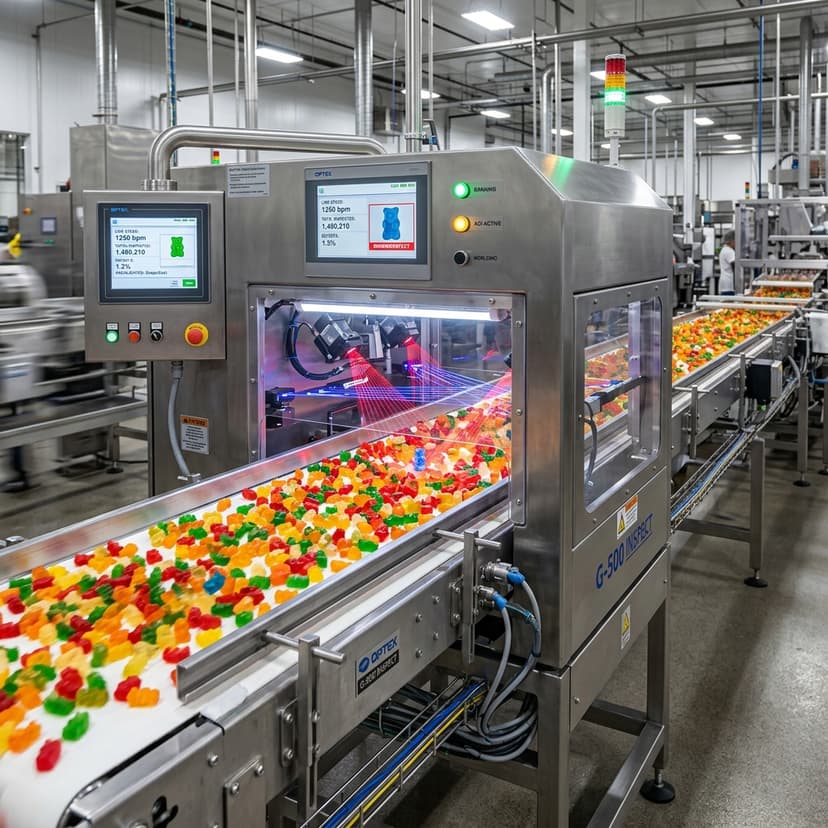
- The Starchless Advantage: This is where legacy starch moguls often struggle during an NSF audit. Validating the cleanliness of recycled cornstarch is incredibly difficult. A facility utilizing Starchless Mogul Technology with automated Clean-In-Place (CIP) washdowns and sealed silicone molds can easily prove absolute segregation and sterilization between product runs.
4. Calibration and Maintenance
The auditor will check the calibration logs on the massive industrial equipment. They will verify that the digital refractometers measuring the brix of the gummy slurry, the pH meters, and the scales used to weigh the active ingredients are all calibrated daily against certified standards.
The Commercial Value for Brand Owners
Why should a brand founder care if their CMO has this obscure certification? Because it is the ultimate commercial passport.
- Retailer Acceptance: Major national retailers and pharmacies require NSF or equivalent (like USP or UL) certification before they will even review a product for shelf placement. Utilizing an uncertified CMO locks you out of mass retail.
- Regulatory Defense: If the FDA does conduct a random inspection of the facility, a CMO that maintains an active NSF 455-2 certification is virtually guaranteed to pass the FDA audit without receiving a devastating Warning Letter, protecting your brand from supply chain disruption.
- Premium Positioning: Brand owners can proudly state on their marketing materials that their product is manufactured in an NSF-certified facility, instantly establishing trust and authority with the label-reading, premium consumer.
At Probiota Innovations, we engineer our starchless manufacturing lines and our quality control protocols not just to meet the baseline FDA laws, but to effortlessly exceed the grueling standards of independent audits, providing our private label partners with an unassailable commercial advantage.
Frequently Asked Questions (FAQ)
1. Can I put the NSF logo on my supplement bottle? Only if the specific product itself has been certified by NSF (which involves formula review and ongoing product testing). If only the manufacturing facility is certified (NSF GMP Registration), you can state that the product was manufactured in an NSF-certified facility, but you cannot use the standard NSF product mark on the label.
2. How often is the facility audited by NSF? To maintain the certification, the CMO must pass an independent surveillance audit every single year.
3. Is NSF the only acceptable certification? No. While NSF is arguably the most recognized in the US, other highly respected third-party GMP certifications include USP (United States Pharmacopeia), UL (Underwriters Laboratories), and SQF (Safe Quality Food, which focuses heavily on food safety protocols).
Recommended Manufacturing Solution
Explore our export-ready nutraceutical manufacturing solutions
Want to discuss your formulation?
Our experts help brands launch technically complex probiotic and functional gummies.