The Science of Water Activity (aw) in Gummy Supplements: Preventing Microbial Growth
The Science of Water Activity (aw) in Gummy Supplements: Preventing Microbial Growth
In the dietary supplement industry, a brand's most significant vulnerability is not marketing or flavor profiling; it is microbiology.
Gummies, unlike dry capsules or compressed tablets, possess a naturally high moisture content. If that moisture is not rigorously controlled at a molecular level, the gummy becomes a hyper-potent breeding ground for mold, yeast, and pathogenic bacteria.
To guarantee a safe, 24-month shelf life, Contract Manufacturing Organizations (CMOs) do not simply measure "total moisture." They measure and manipulate Water Activity (aw). Here is the technical breakdown of how this science dictates the survival of your gummy brand.
Moisture Content vs. Water Activity (aw)
The most common misconception in gummy formulation is confusing Moisture Content with Water Activity.
- Moisture Content is the total amount of water present in the gummy (usually around 15% to 20% in a finished pectin gummy).
- Water Activity (aw) is the measure of the free, unbound water available to support microbial growth or chemical reactions.
Think of it like a sponge. If a sponge is damp (high moisture content) but frozen solid, the water is not "available" for bacteria to drink.
In a gummy, the goal is to bind the water molecules tightly to the sugar and pectin matrix. If the water is chemically bound, bacteria and mold cannot utilize it to reproduce, regardless of the total moisture content.
The Microbiological Danger Zone
Water Activity is measured on a scale from 0.0 (bone dry) to 1.0 (pure water).
Pathogenic bacteria (like E. coli and Salmonella) require high water activity to grow. Yeast and mold are more resilient, capable of growing in drier environments.
- aw 0.90+ : Rapid growth of pathogenic bacteria.
- aw 0.80 - 0.88 : Fungal growth, rapid yeast multiplication.
- aw 0.70 - 0.79 : Some highly resilient molds can survive.
- aw < 0.65 : The Safe Zone. Below an aw of 0.65, virtually all microbial, yeast, and mold growth is halted. The product is considered microbiologically stable.
For a commercial gummy supplement, the absolute critical specification is achieving and maintaining an aw of 0.65 or lower.
Engineering the Optimal aw in Pectin
Gelatin gummies naturally dry out over time, sometimes resulting in an aw that is too low, causing the gummy to become hard and brittle like glass.
High-Methoxyl (HM) Pectin is vastly superior for moisture management. Pectin binds water more effectively than gelatin, allowing the gummy to retain its soft, "short bite" texture while keeping the free water chemically locked away from microbes.
To hit the <0.65 aw target, the CMO must control two variables:
- Brix (Sugar Solids): The slurry must be boiled until the sugar concentration is high enough to bind the available water. This is constantly monitored inline using digital refractometers.
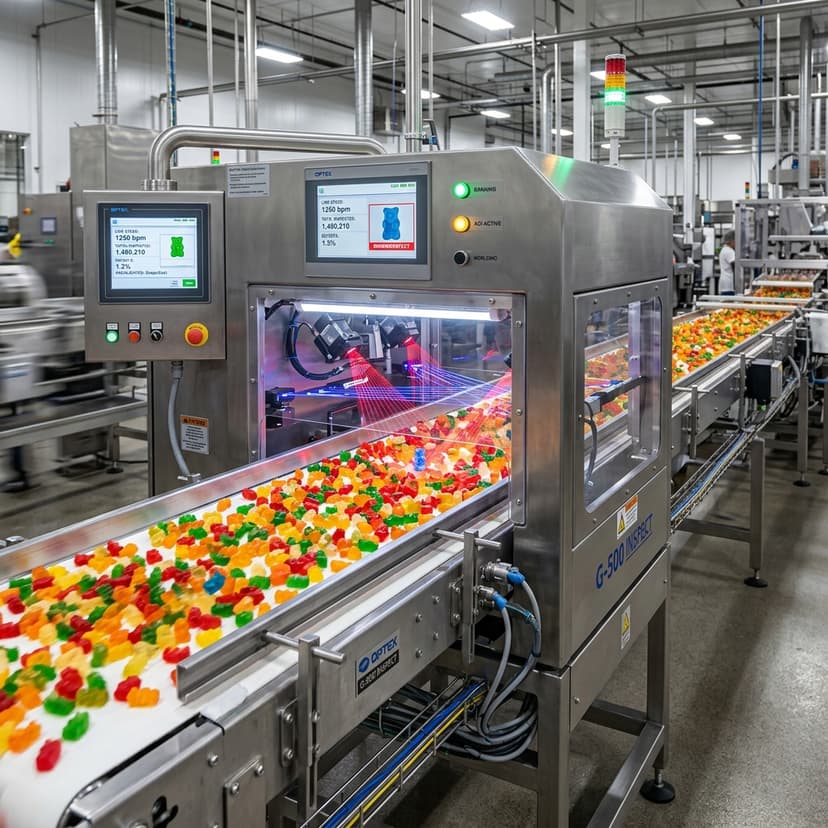
- Curing (Drying): After the gummy is deposited into the silicone mold, it passes through an engineered cooling tunnel to set the gel, followed by specific ambient curing times to allow exactly the right amount of surface evaporation before the bottle is sealed.
The Regulatory Mandate
Under FDA 21 CFR Part 111 cGMPs, if your gummy formulation relies on water activity to prevent microbial growth, you must prove you are controlling it.
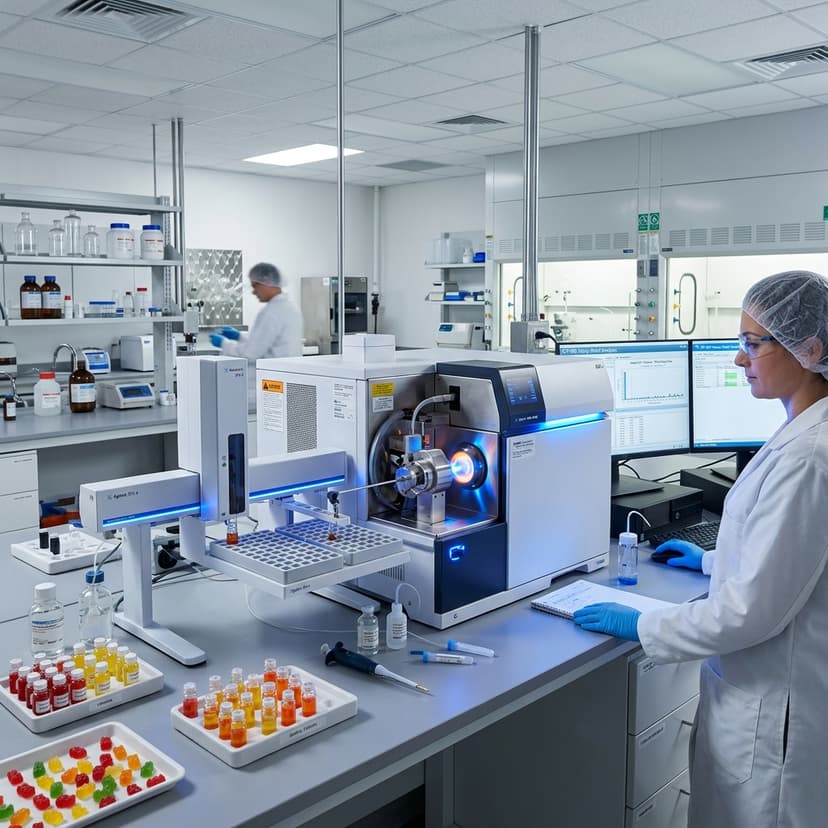
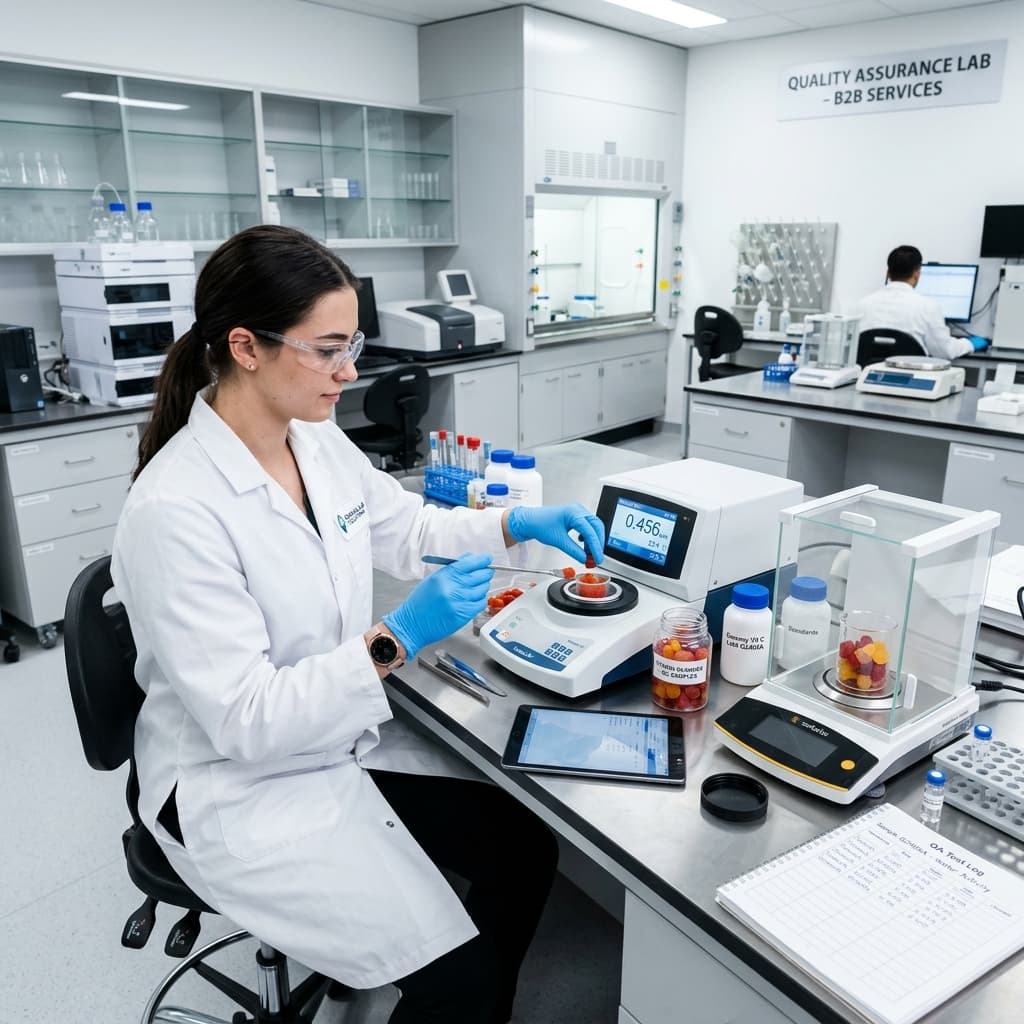
A compliant CMO must test the aw of every commercial batch using a specialized Water Activity Meter (like an AquaLab) before releasing the product to the brand. If a batch tests at 0.68 aw, it must be quarantined and potentially destroyed, as it poses a massive risk of molding on the retail shelf.
At Probiota Innovations, we engineer our starchless continuous cooking lines with absolute thermodynamic precision, guaranteeing that every single gummy hits the optimal aw, ensuring your brand delivers a flawless, shelf-stable product to every consumer.
Frequently Asked Questions (FAQ)
1. Does sugar-free formulation change water activity? Yes, drastically. Alternative sweeteners (like Allulose, Maltitol, or Erythritol) bind water differently than standard cane sugar and corn syrup. Formulating a sugar-free gummy requires completely re-engineering the aw calculations and boiling temperatures.
2. Why did my gummies melt and stick together? Was the aw too high? Usually, melting is a thermal issue (gelatin melting in a hot truck) rather than an aw issue. However, if the aw is too high and the gummy is packed in a hot, sealed bottle, it can cause "syneresis" (weeping), making the gummies wet and sticky.
3. Does adding active botanicals change the aw? Yes. Adding large payloads of dry, hygroscopic botanical powders (like Ashwagandha or Mushroom extracts) can pull water out of the pectin matrix, altering the final aw. The CMO must re-balance the slurry water content to compensate.
Want to discuss your formulation?
Our experts help brands launch technically complex probiotic and functional gummies.