Managing Syneresis: Why Pectin Gummies Weep and How to Engineer It Out
Managing Syneresis: Why Pectin Gummies Weep and How to Engineer It Out
Few quality control failures are as visually unappealing as Syneresis.
If a consumer opens a bottle of premium supplements and discovers the gummies are wet, sticky, and sitting in a puddle of their own syrup, they will immediately assume the product is spoiled, toxic, or improperly manufactured.
In the industry, this is known as "weeping" or "sweating." While gelatin gummies can weep, it is a particularly notorious challenge when formulating with High-Methoxyl (HM) Pectin.
Here is the chemical explanation of why pectin gummies weep, and how elite Contract Manufacturing Organizations (CMOs) engineer it out of the product.
The Chemistry of Syneresis
A pectin gummy is a hydrogel—a complex, 3D network of long pectin polymer chains trapping water, sugar, and active ingredients inside.
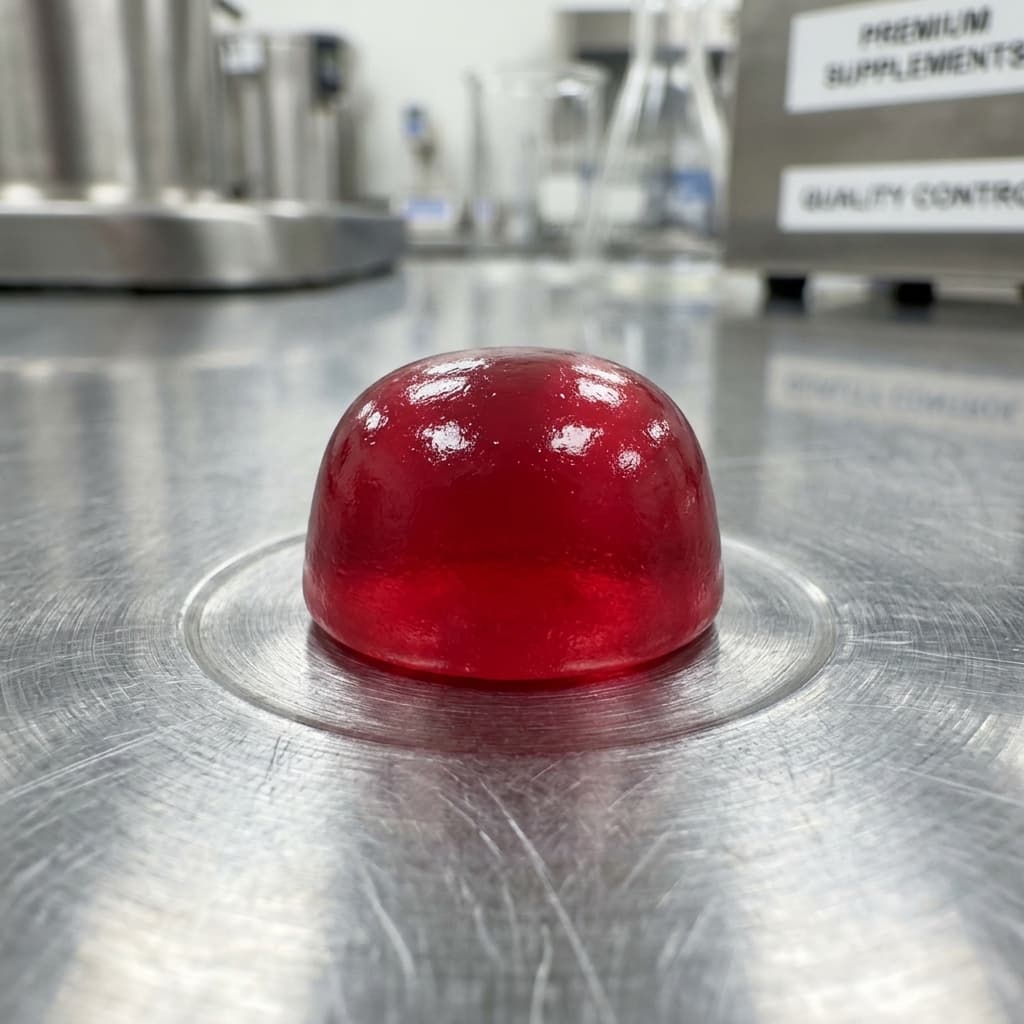
Syneresis occurs when that 3D network contracts or breaks down, physically squeezing the trapped water and dissolved sugars out to the surface of the gummy, much like wringing out a sponge.
This failure is almost always caused by an imbalance in the delicate thermodynamic triangle required to set HM Pectin: Brix (Sugar), pH (Acid), and Temperature.
1. The Acid Imbalance (pH)
HM Pectin requires a highly specific, acidic environment (usually a pH of 3.2 to 3.6) to neutralize the negative charges on the pectin molecules, allowing them to bond together.
- The Failure: If the pH drops too low (too acidic), the pectin sets far too rapidly and rigidly. This hyper-rigid structure contracts violently as it cools, literally squeezing the water out of the gel matrix.
- The CMO Solution: Advanced CMOs never rely on static recipes. Because active ingredients (like highly acidic Vitamin C or alkaline minerals) constantly shift the pH of the slurry, the CMO must utilize inline pH monitoring, micro-dosing the acid buffer at the last possible millisecond before depositing to hit the exact target pH.
2. The Sugar Imbalance (Brix)
Pectin relies on high sugar concentrations (Brix) to bind the available water. The sugar pulls water away from the pectin molecules, forcing them to bond with each other instead.
- The Failure: If the Brix is too low (meaning there is too much water and not enough sugar), the pectin network cannot form tightly enough. The unbound, free water easily escapes the weak gel structure, pooling on the surface.
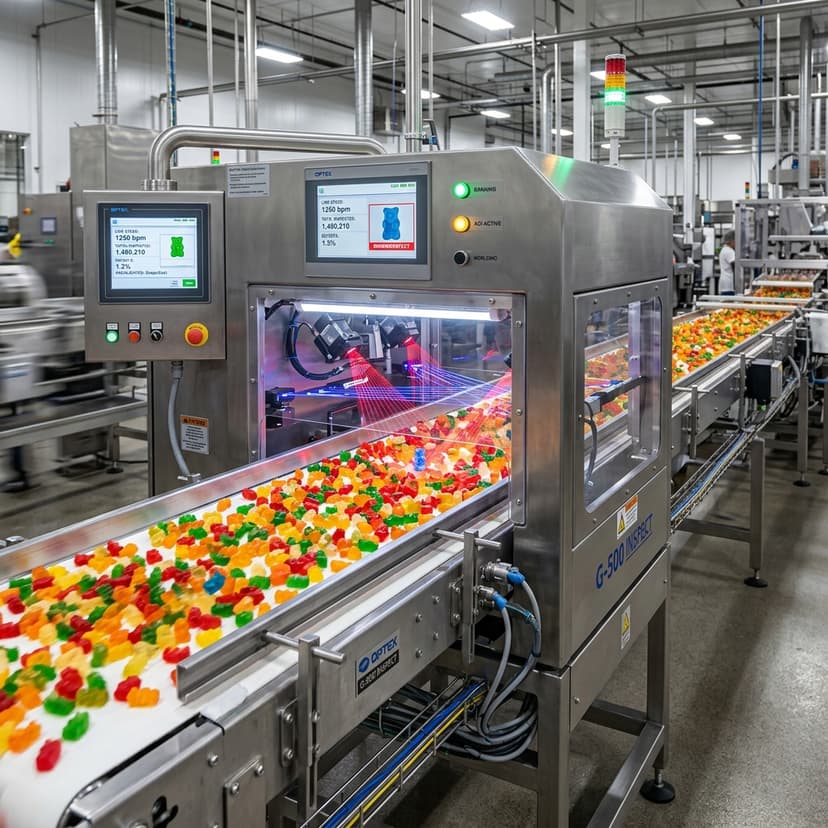
- The CMO Solution: Elite starchless lines utilize continuous cookers equipped with digital inline refractometers. These sensors monitor the Brix of the boiling syrup in real-time, ensuring it reaches the exact target (usually 78-82 Brix) before it is allowed to proceed to the depositing manifold.
3. Thermal Shock (Cooling Failures)
Once deposited into the mold, the hot liquid pectin must transition into a solid gel.
- The Failure: If a pectin gummy is cooled too slowly, the molecular bonds form haphazardly, creating a weak structure prone to weeping. Conversely, if it is flash-frozen, the outer skin sets while the inside remains liquid, causing the gummy to rupture and leak syrup later.
- The CMO Solution: Starchless lines feature highly engineered, multi-zone cooling tunnels. The gummies pass through precisely controlled temperature gradients, ensuring a uniform, stable gel formation throughout the entire mass of the gummy.
The Polishing Defense
Even a perfectly formulated gummy can become slightly sticky if exposed to high ambient humidity after the bottle is opened. To provide a final layer of defense against minor surface moisture, CMOs apply a microscopic layer of polishing agent. By tumbling the gummies with a fraction of a percent of Carnauba Wax or pure MCT oil, the CMO creates a hydrophobic (water-repelling) barrier on the exterior of the gummy, ensuring they remain separate, glossy, and pristine throughout their shelf life.
Frequently Asked Questions (FAQ)
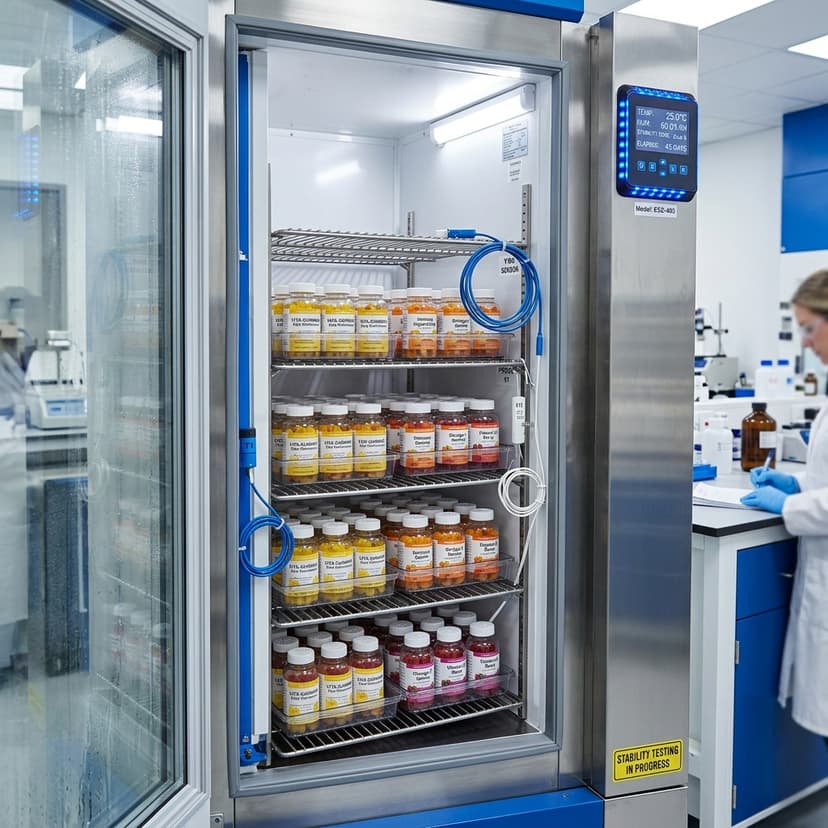
1. Is a weeping gummy dangerous to eat? Usually, no. Syneresis is a physical/chemical breakdown, not necessarily a microbial one. The liquid on the outside is just water and sugar. However, the excess surface moisture significantly raises the local Water Activity (aw), which can invite mold growth if left unchecked for months.
2. Does sugar-free pectin weep more easily? Yes. Alternative sweeteners (like Maltitol or Erythritol) have different molecular structures than sucrose. They do not bind water as effectively. Sugar-free pectin formulations require extreme precision regarding pH and curing times to prevent severe weeping.
3. Will storing gummies in the refrigerator stop them from weeping? Actually, it can cause it. Moving a sealed bottle from a warm room into a cold refrigerator can cause condensation to form inside the bottle. When taken back out into a warm room, that condensation pools on the gummies, creating an artificial weeping effect. Gummies should be stored at stable, ambient room temperatures.
Recommended Manufacturing Solution
Want to discuss your formulation?
Our experts help brands launch technically complex probiotic and functional gummies.