Budgeting for Compliance and Formulation in Private Label Gummy Launches
Budgeting for Compliance and Formulation in Private Label Gummy Launches
The most common reason new dietary supplement brands fail is not poor marketing; it is fatal undercapitalization.
Entrepreneurs often calculate their startup costs by multiplying the CMO's quoted price-per-bottle by the Minimum Order Quantity (MOQ), assuming that is the total required capital. They completely ignore the massive, hidden costs of R&D, regulatory compliance, and stability testing required to launch a safe, legal product.
Here is the true financial blueprint for launching a custom, private label gummy line, and how to budget for the hidden phases of commercialization.
1. Phase 1: Formulation and R&D (The Chemistry Budget)
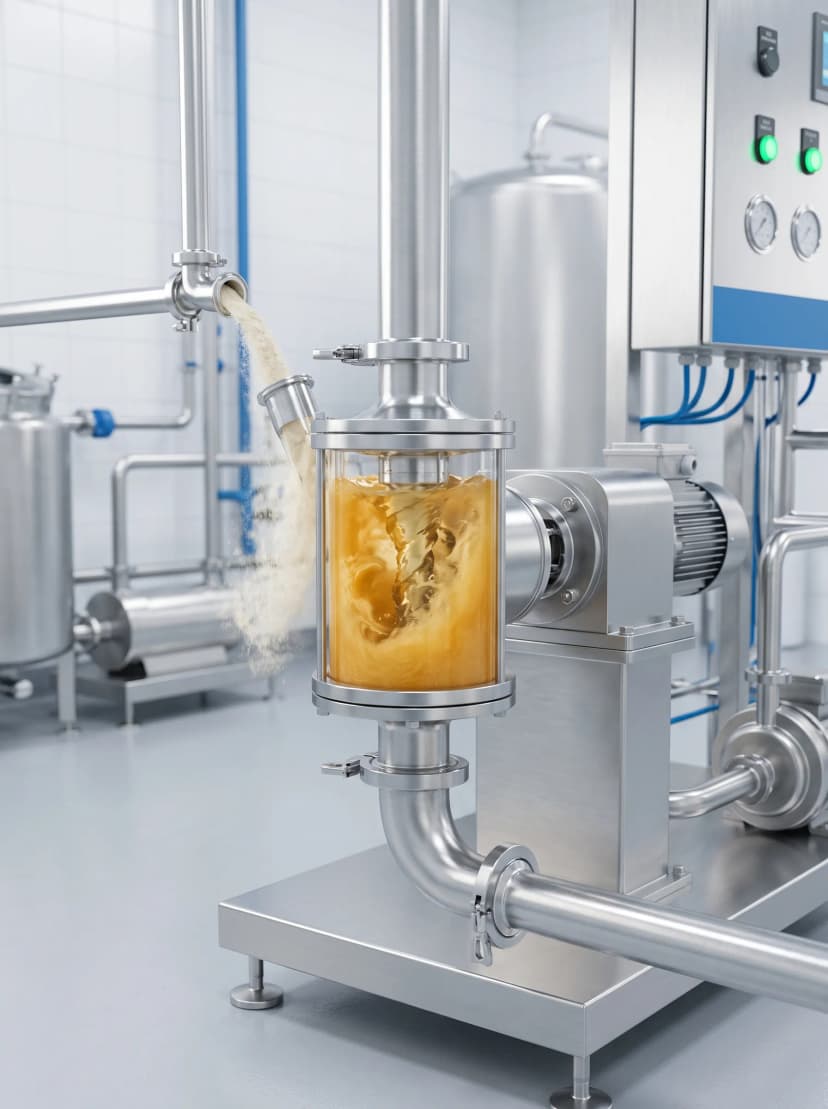
If you are building a custom gummy—meaning you are selecting specific active ingredients, flavors, and demanding a premium High-Methoxyl (HM) Pectin base—you are essentially commissioning a complex chemistry project.
- The Cost: CMOs typically charge an upfront R&D fee. This ranges from $2,500 to $10,000+ per SKU, depending on the complexity (e.g., suspending heavy botanicals or masking bitter nootropics takes more lab time than a simple Vitamin C gummy).
- What it Covers: This funds the benchtop chemists who balance the pH and brix, source the raw materials, mask the flavors, and produce small benchtop samples for your approval. Do not attempt to bypass this fee by demanding a CMO rush a custom formula straight to the production line; it will result in catastrophic batch failure.
2. Phase 2: Stability Testing (The Regulatory Budget)
Before you can legally put an expiration date on your bottle (e.g., "Best By 24 Months"), you must have scientific data proving the product is stable for that duration. The FDA heavily penalizes brands that invent arbitrary expiration dates.
- The Cost: Stability testing at an ISO-accredited third-party lab typically costs $3,000 to $8,000 per SKU.
- What it Covers: The lab places the gummies in environmental chambers (simulating various heat and humidity zones). They test the product at interval milestones (e.g., 3 months, 6 months) for microbial growth, Water Activity (aw) shifts, and active ingredient degradation.
- Note: Accelerated stability testing (cranking up the heat to simulate 24 months in just 6 months) is the standard method for getting to market quickly while remaining compliant.
3. Phase 3: Regulatory and Certification Fees (The Market Access Budget)
If your brand positioning relies on specific certifications, you must budget for the audits.
- Halal / Kosher Certification: If you are formulating a pectin gummy to capture export markets, the certifying bodies (e.g., IFANCA, OK Kosher) charge annual licensing and audit fees. Expect $1,500 to $5,000 annually, plus per-unit royalties depending on the agency.
- Legal & Label Review: The FDA and FTC strictly regulate what you can say on a supplement label. Hiring a regulatory attorney to review your label claims (ensuring you are making compliant "Structure/Function" claims rather than illegal "Disease" claims) typically costs $1,000 to $3,000 per label. This is the cheapest insurance you will ever buy against an FDA Warning Letter.
The Total Picture
A custom private label gummy launch is a highly technical, regulated endeavor. By budgeting properly for R&D, stability testing, and legal compliance, you ensure that when you finally issue that massive PO for commercial manufacturing, you are receiving a legally bulletproof, highly stable product ready to dominate the retail shelf.
At Probiota Innovations, we guide our partners through this entire financial roadmap, providing transparent R&D capabilities and seamless integration with compliance testing to ensure a flawless launch.
Frequently Asked Questions (FAQ)
1. Does the CMO pay for the stability testing? Usually, no. The brand owner owns the formula and the brand, so the brand owner is financially responsible for the third-party stability testing. The CMO will facilitate the process and provide the samples.
2. Can I use a stock white-label formula to avoid R&D costs? Yes. If you select an off-the-shelf white label gummy, the CMO has already absorbed the R&D and stability testing costs. However, you sacrifice all product differentiation and IP ownership.
3. What is an NDI notification, and do I need to budget for it? If your gummy contains a completely novel ingredient never before sold in the US (a New Dietary Ingredient), you must file a notification with the FDA. This requires massive toxicology data and legal fees, easily costing $50,000 to $200,000+. Most private label brands avoid this by formulating exclusively with established, GRAS (Generally Recognized as Safe) ingredients.
Recommended Manufacturing Solution
Scale internationally with our export-focused gummy production
Want to discuss your formulation?
Our experts help brands launch technically complex probiotic and functional gummies.