Scaling Supplement Brands: Real Cost Drivers in Starchless Gummy Production
Scaling Supplement Brands: Real Cost Drivers in Starchless Gummy Production
When a dietary supplement brand scales into massive retail distribution, optimizing the Cost of Goods Sold (COGS) becomes a daily obsession. To effectively negotiate with a Contract Manufacturing Organization (CMO) and protect gross margins, brand owners must understand exactly where the money goes during high-volume production.
If your CMO utilizes Starchless Mogul Technology (the gold standard for premium pectin gummies), the economics are fundamentally different than legacy starch manufacturing.
Here is a transparent breakdown of the real cost drivers in starchless gummy production.
1. Capital Expenditure (CapEx) Amortization
The most significant unseen cost in starchless manufacturing is the machinery itself. A state-of-the-art continuous starchless gummy line with automated optical inspection and cooling tunnels can cost between $5 Million and $10 Million USD.
Unlike a cheap, 50-year-old starch mogul that has fully depreciated, the CMO must amortize this massive CapEx across the units they produce.
- The Benefit to the Brand: While you are paying for a fraction of that machine in your per-bottle cost, you are receiving pharmaceutical-grade precision, zero cross-contamination risk, and rapid lead times that legacy machines cannot match.
2. Yield and Scrap Rates
In high-volume manufacturing, "yield" (the percentage of acceptable product versus waste) is a massive cost driver.
- Startup and Shutdown Waste: Every time a continuous line starts up, the first few minutes of syrup are often out of specification (incorrect temperature or brix) and must be scrapped. Similarly, at shutdown, syrup remaining in the pipes is lost.
- The Pectin Reality: Unlike gelatin, which can be melted back down and re-run if a gummy is malformed, High-Methoxyl (HM) Pectin is thermo-irreversible. If a pectin gummy is rejected by the QA cameras, it is permanent scrap. It cannot be recycled.
Therefore, minimizing downtime and running long, continuous campaigns (high MOQs) is the only way a CMO can keep the per-unit cost low. If you demand tiny batch sizes, the CMO must charge a massive premium to cover the unavoidable startup/shutdown scrap.
3. The Automation Advantage (Labor Arbitrage)
This is where starchless technology saves brands money at scale.
- Legacy Starch Costs: Traditional moguls require intense manual labor. Workers must move thousands of heavy starch trays into drying rooms, monitor them for 48 hours, move them back to be dumped, and constantly manage the recycling and drying of the cornstarch.
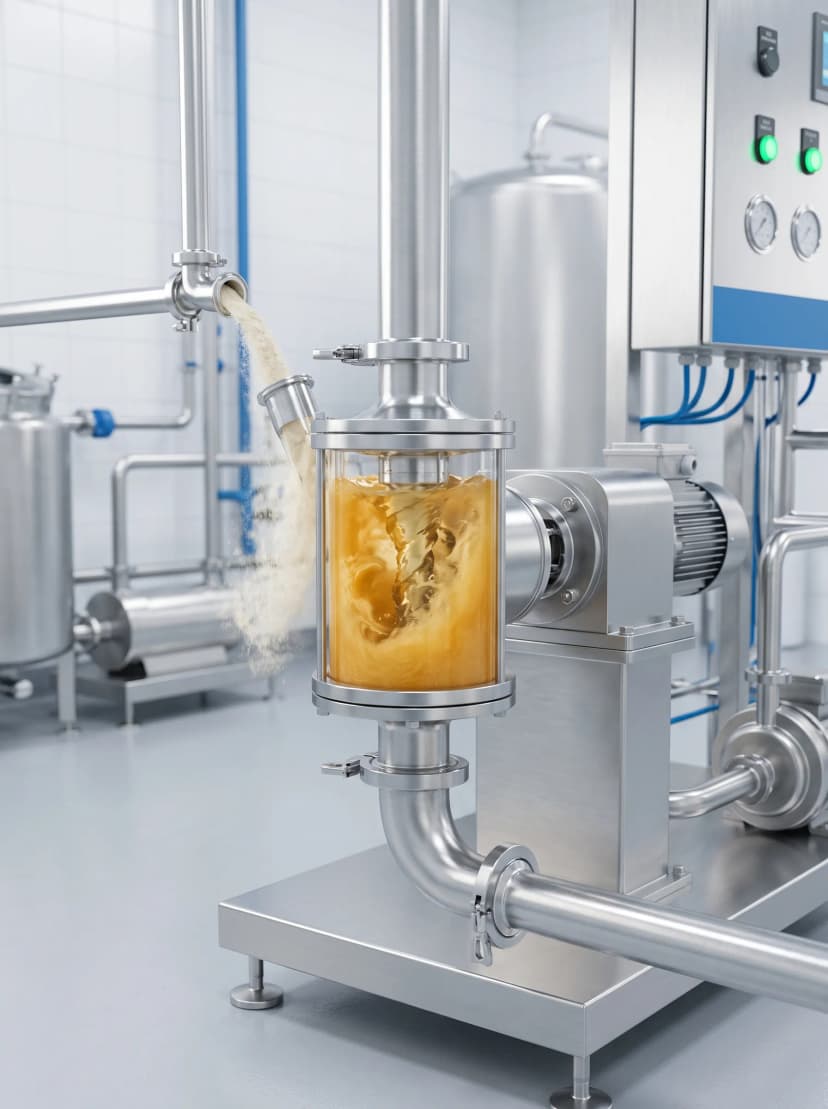
- Starchless Efficiency: A starchless line is highly automated. The syrup is injected, the molds pass through a 30-minute cooling tunnel, and the finished gummies are automatically ejected and polished. The labor required per million gummies is exponentially lower. At high volumes, this automation drastically reduces the CMO's overhead, allowing them to offer highly competitive pricing despite the massive CapEx of the machine.
4. Precision Dosing (Eliminating Overage Waste)
The final cost driver is active ingredient utilization.
If you are formulating a gummy with a highly expensive ingredient (like a branded postbiotic or a patented botanical extract), legacy starch molds (which vary in volume) force the CMO to use massive "overages" to guarantee every gummy meets the label claim. You are paying for active ingredients that are essentially wasted.
Starchless silicone molds are exact down to the micron. This allows the CMO to calculate the active ingredient load with razor-thin margins. You pay only for the exact dose required, resulting in massive raw material savings across a million-unit run.
Frequently Asked Questions (FAQ)
1. Does custom tooling increase the cost? Yes. If you want a standard dome or bear shape, the CMO likely already owns the silicone molds. If you want a custom 3D shape (like your brand's logo), you must pay for the custom tooling of thousands of silicone mold cavities, which can cost tens of thousands of dollars upfront.
2. How does packaging impact high-volume COGS? At high volumes, the bottle and lid often cost more than the gummies inside. Moving from a heavy, custom-colored glass bottle to a standard, lightweight PET bottle can drastically reduce both your packaging COGS and your outbound freight costs.
3. Do starchless gummies require different polishing agents? No, the polishing agents (MCT oil or Carnauba wax) are the same. However, because starchless gummies cure against smooth silicone rather than rough powder, they naturally have a higher gloss and often require less polishing oil, slightly reducing material costs.
Recommended Manufacturing Solution
Discover our turnkey white label probiotic supplement solutions
Want to discuss your formulation?
Our experts help brands launch technically complex probiotic and functional gummies.