Navigating NDI Notifications When Developing Novel Gummy Formulations

Navigating NDI Notifications When Developing Novel Gummy Formulations
The dietary supplement industry rewards first-movers. Being the first brand to launch a gummy featuring a newly discovered botanical extract or a novel synthesized amino acid can result in massive market capture.
However, launching a "first-to-market" ingredient in the United States requires navigating the FDA’s strict gatekeeper protocol: the New Dietary Ingredient (NDI) Notification.
While the general NDI process is complex, filing an NDI specifically for a gummy formulation introduces unique chemical and manufacturing challenges. Here is a technical guide to navigating this process.
The NDI Mandate
As established by the Dietary Supplement Health and Education Act (DSHEA), any ingredient not marketed in the US prior to October 15, 1994, is considered a "New Dietary Ingredient." Unless that ingredient is Generally Recognized as Safe (GRAS) for its intended use without chemical alteration, you must submit an NDI notification to the FDA 75 days prior to launch.
The burden of proof lies entirely on the brand owner to demonstrate that the new ingredient is "reasonably expected to be safe."
The Gummy Complication: Matrix Interactions
When you submit an NDI dossier for a capsule or a powder, the FDA evaluates the raw powder. When you submit an NDI for a gummy, the FDA is highly aware that the ingredient is being subjected to intense manufacturing conditions.
Your dossier must address the specific chemistry of the gummy matrix.
1. Thermal Degradation Risk
Gummy manufacturing requires boiling the pectin or gelatin syrup. For an NDI notification, you must provide stability data proving that your novel ingredient does not degrade into a toxic or harmful byproduct when exposed to 100°C (212°F) temperatures during the cooking process.
2. Acid/pH Reactions
High-Methoxyl (HM) Pectin requires a highly acidic environment (pH 3.2 - 3.6) to gel. Your NDI dossier must prove that your novel ingredient does not chemically react with the citric or malic acid buffer to create unstudied, potentially unsafe compounds.
3. Shelf-Life Viability (Water Activity)
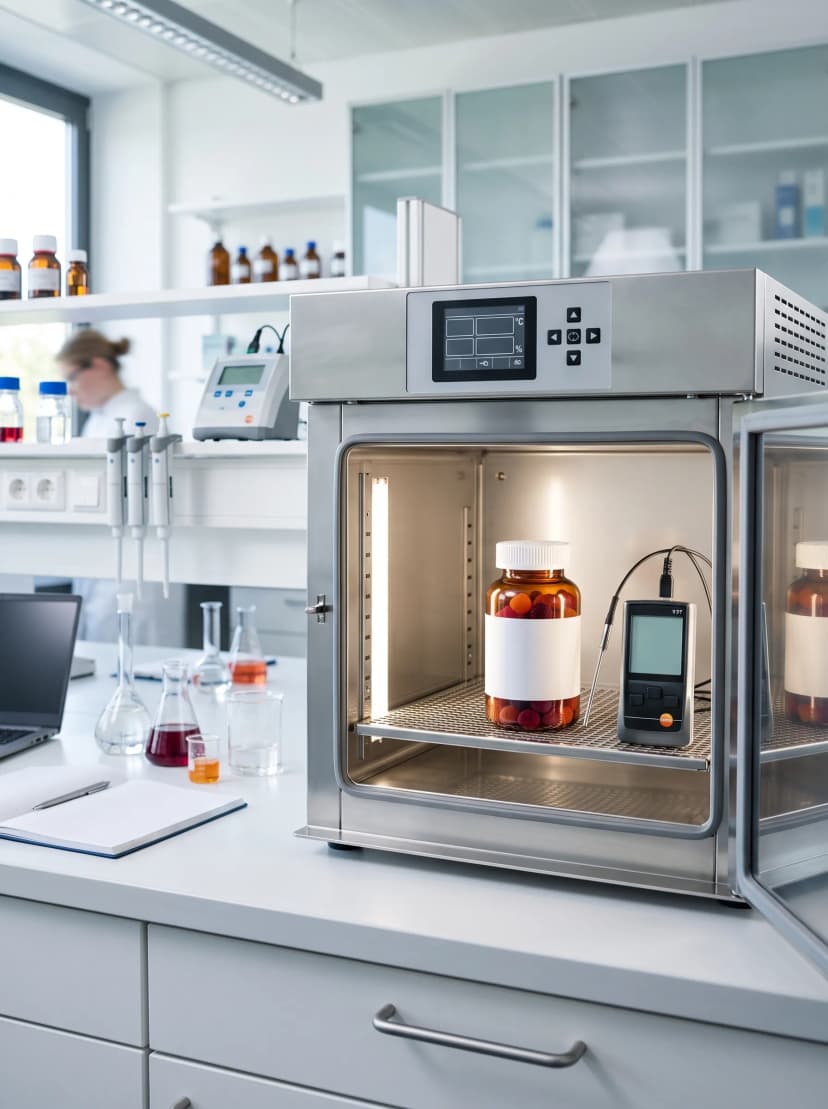
Gummies have a higher moisture content (Water Activity/aw) than dry capsules. You must provide real-time or accelerated stability testing proving that the novel ingredient remains safe and effective while suspended in a high-moisture matrix over a 24-month period without promoting microbial growth.
The Importance of the CMO Partnership
You cannot navigate an NDI notification for a gummy without deep collaboration with your Contract Manufacturing Organization (CMO).
The FDA will require detailed documentation of the manufacturing process to evaluate safety. Your CMO must provide:
- The exact Master Manufacturing Record (MMR).
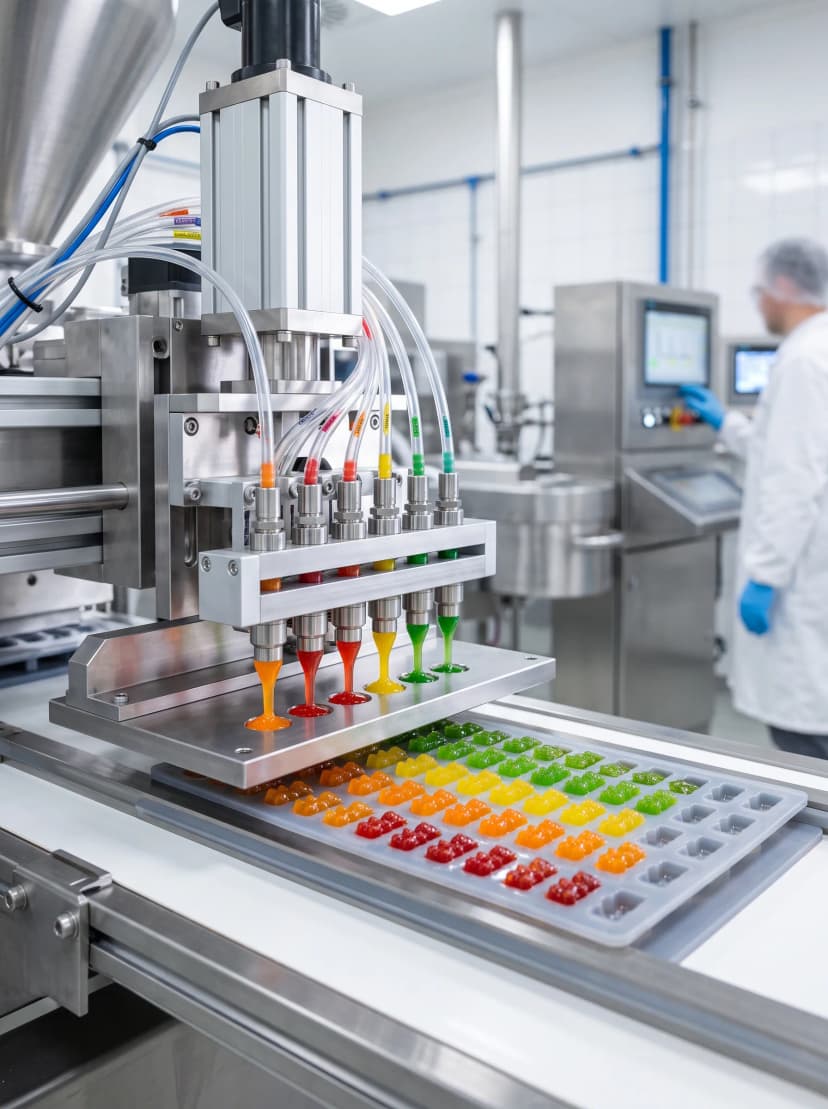
- Detailed specifications of the Starchless Mogul depositing equipment to prove precise dosing uniformity.
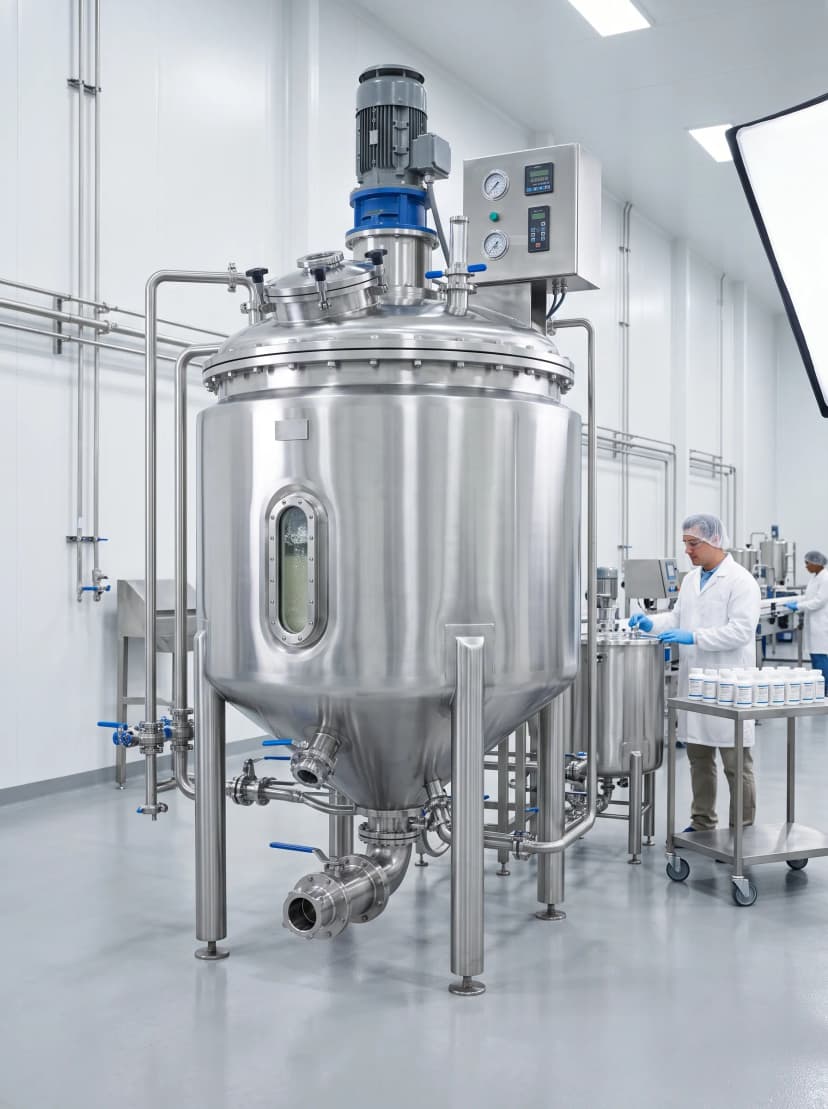
- Data on how the ingredient is homogeneously mixed (using high-shear mixers) to prevent "hot spots" (where one gummy accidentally receives a massive, potentially toxic dose of the novel ingredient).
Strategic Alternatives to the NDI
Because the NDI process is expensive and time-consuming (and often results in FDA pushback requiring more data), many brands opt for a parallel regulatory pathway: Self-Affirmed GRAS.
If you can assemble a panel of independent, qualified toxicology experts who review your data and unanimously agree that the ingredient is Generally Recognized as Safe for use in gummies, you can legally market the product without filing the 75-day NDI notification with the FDA.
Whether you pursue an NDI or Self-Affirmed GRAS, success relies on partnering with a highly compliant, scientifically advanced CMO like Probiota Innovations, capable of providing the rigorous manufacturing data the FDA demands.
Frequently Asked Questions (FAQ)
1. If a competitor files an NDI for an ingredient, can I just use their ingredient? Yes, but ONLY if you purchase the exact raw material from the exact supplier listed in the competitor's NDI, and manufacture it according to the conditions of use outlined in that specific notification.
2. Are synthetic copies of botanical extracts considered NDIs? Yes. If you synthesize a compound in a lab that is chemically identical to a compound found in a plant, the FDA considers the synthetic version to be a New Dietary Ingredient, regardless of the plant's historical use.
3. What happens if I launch a novel ingredient without an NDI? The FDA considers the product to be "adulterated." This can result in Warning Letters, mandatory product recalls, seizure of inventory, and severe federal injunctions against the brand.
Recommended Manufacturing Solution
Scale internationally with our export-focused gummy production
Want to discuss your formulation?
Our experts help brands launch technically complex probiotic and functional gummies.