How Starchless Mogul Technology Supports Easier Regulatory Compliance

How Starchless Mogul Technology Supports Easier Regulatory Compliance
In the dietary supplement industry, your brand is only as secure as your Contract Manufacturer's (CMO) ability to pass an FDA audit. When regulatory bodies like the FDA, Health Canada, or international Halal authorities inspect a facility, they are looking for variables that could compromise consumer safety.
For decades, the standard method of gummy manufacturing—the starch mogul—introduced massive, unavoidable variables. Today, the shift to Starchless Mogul Technology is not just about making a prettier gummy; it is a fundamental upgrade in regulatory defense and cGMP compliance.
Here is how starchless technology drastically simplifies regulatory compliance for private label brands.
The Regulatory Nightmare of Recycled Starch
Under 21 CFR Part 111, manufacturers must prevent cross-contamination and ensure the purity of the dietary supplement. A traditional starch mogul operates in direct opposition to these principles.
In a traditional setup, the gummy is deposited into an impression stamped into a tray of cornstarch. After the gummies cure, that starch is sifted, dried, and reused for the next batch.
- The Allergen Risk: If a facility runs a gummy containing a major allergen (like a fish-oil Omega-3), microscopic traces of that allergen remain in the recycled starch.
- The Microbial Risk: Starch is hygroscopic. It absorbs water from the curing gummies. Warm, moist starch is a highly potent breeding ground for bacteria, yeast, and mold, posing a constant threat to microbial compliance limits.
When an FDA auditor evaluates a traditional starch facility, the validation protocols required to prove that the recycled starch is "clean" between runs are incredibly burdensome and prone to failure.
The Starchless Compliance Advantage
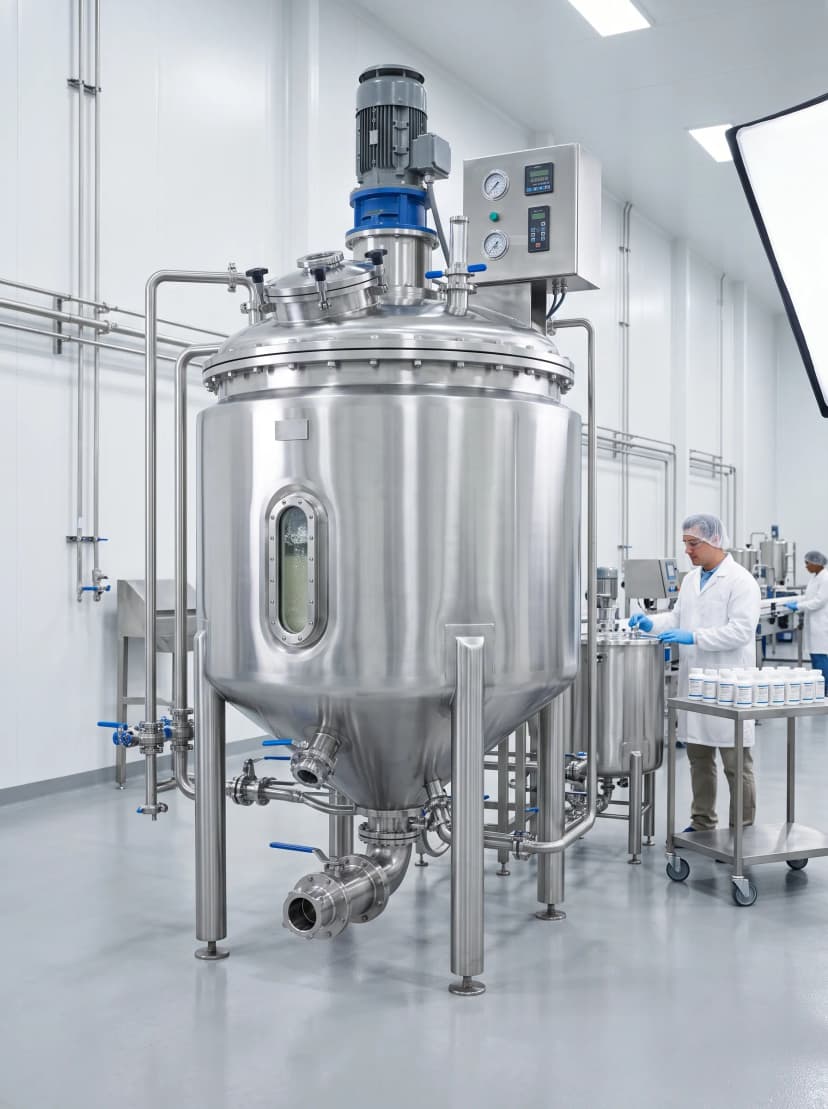
Starchless depositing technology completely removes the powder from the facility. The liquid gummy slurry is injected directly into permanent, precisely engineered molds made of food-grade silicone or Teflon-coated aluminum.
1. Absolute Segregation (Zero Cross-Contamination)
Because there is no communal powder bed, the risk of cross-contamination drops to virtually zero. Between production runs, the silicone molds and depositing nozzles undergo rigorous Clean-In-Place (CIP) washdowns. High-temperature water and approved sanitizers flush the system. If an auditor questions how a facility transitions from a melatonin gummy to a children's vitamin, the CMO can point to a mathematically verifiable CIP protocol, rather than attempting to prove the cleanliness of recycled dust.
2. Perfect Dosage Uniformity (Label Claims)
The FDA strictly enforces label claims. If your bottle says "50mg of Zinc," every gummy must contain that dose within a tight variance. Starch powder molds degrade, shift, and collapse slightly during production, leading to variations in the physical volume of the gummy cavity. Starchless silicone molds are permanent and exact down to the micron. This volumetric precision guarantees that every single gummy weighs exactly the same, ensuring your active ingredient payload is perfectly uniform across a million-unit run.
3. Fulfilling Halal and Kosher Audits
As discussed in previous guides, Halal and Kosher certifiers are deeply skeptical of shared equipment. The impossibility of perfectly segregating a recycled starch bed makes dual-certification highly risky on legacy equipment. Starchless lines, with their verifiable washdown procedures, easily pass the strict segregation requirements of bodies like IFANCA and OK Kosher.
Protecting Your Brand
When a brand owner partners with a starchless CMO like Probiota Innovations, they are purchasing regulatory peace of mind. By eliminating the archaic variables of starch casting, we ensure that your product is manufactured in a hyper-hygienic environment that exceeds FDA cGMP requirements and satisfies the most rigorous global auditors.
Frequently Asked Questions (FAQ)
1. Does starchless technology require different GMP certifications? No, the facility is still audited under the same 21 CFR Part 111 cGMP regulations. However, the starchless technology makes it significantly easier to write, execute, and validate the Standard Operating Procedures (SOPs) required by those regulations.
2. Are starchless gummies tested for heavy metals differently? The testing protocols (ICP-MS) remain the same. However, because the gummy is not curing in agricultural cornstarch (which can sometimes carry trace heavy metals from the soil), starchless gummies often test cleaner, aiding in California Prop 65 compliance.
3. Do starchless lines use mold-release agents? Yes. To ensure the gummy ejects cleanly from the silicone or Teflon mold, a microscopic spray of food-grade, FDA-approved release oil (often fractionated coconut oil or a specialized vegetable oil) is used. This is completely compliant and documented in the Master Manufacturing Record.
Recommended Manufacturing Solution
Explore our export-ready nutraceutical manufacturing solutions
Want to discuss your formulation?
Our experts help brands launch technically complex probiotic and functional gummies.