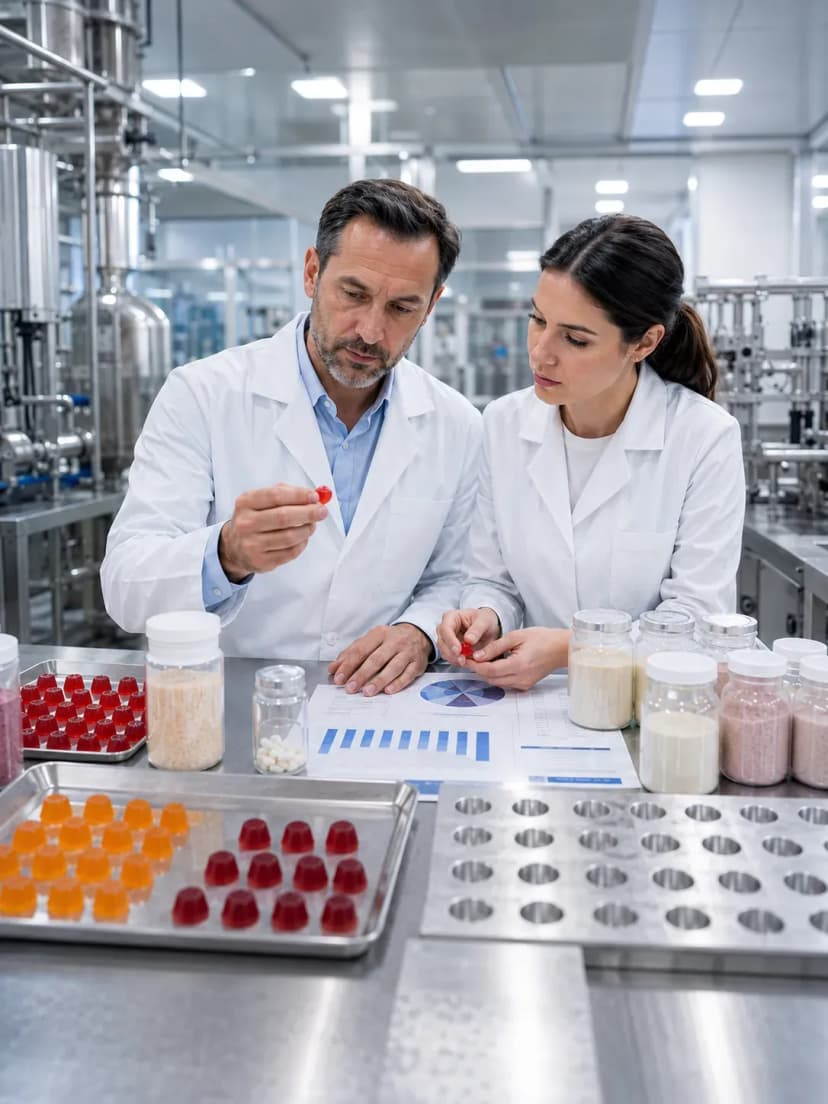
Microencapsulation Technology for Probiotic Gummies: Ensuring Viability During Manufacturing
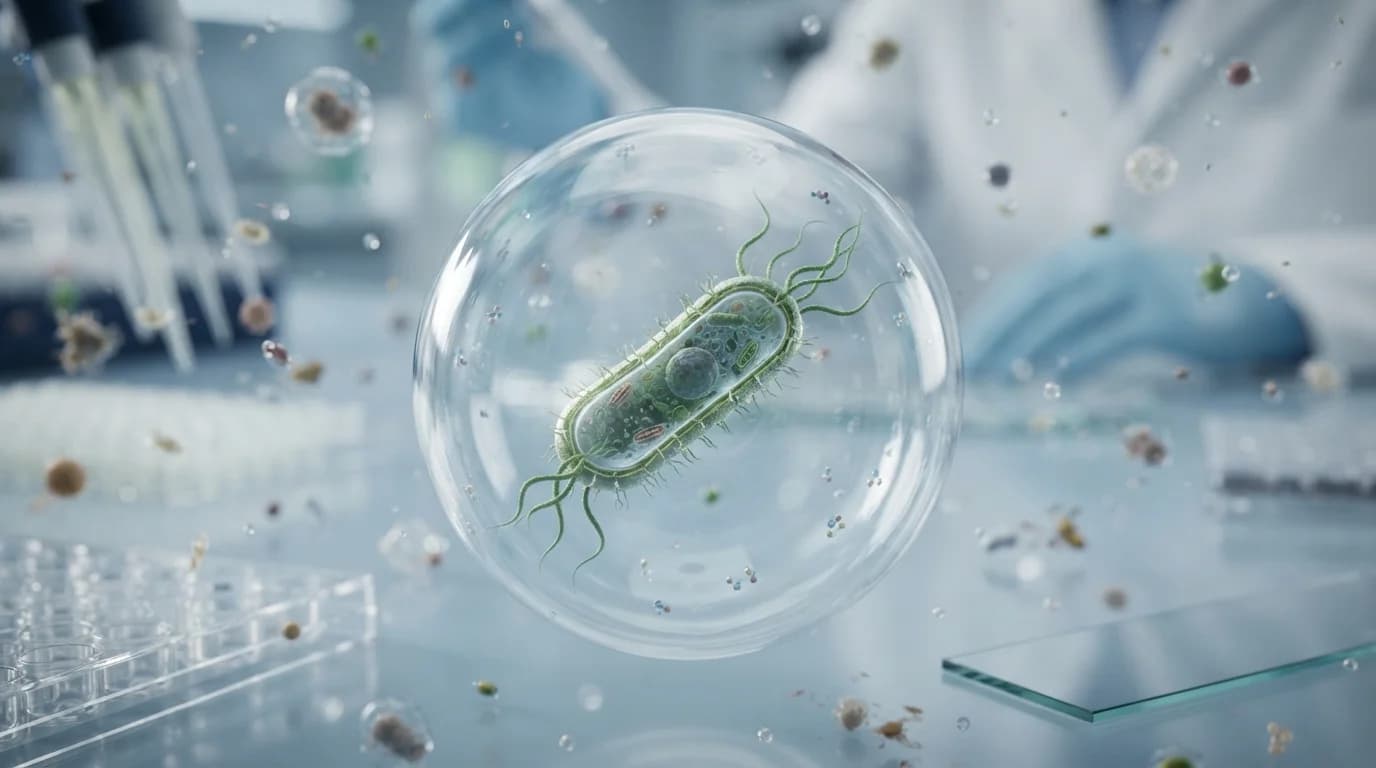
Microencapsulation Technology for Probiotic Gummies: Ensuring Viability During Manufacturing
The probiotic gummy is the holy grail of the modern dietary supplement market. Consumers love the format, and the gut-health category is experiencing explosive, sustained growth.
However, from an engineering perspective, a probiotic gummy is a paradox. Probiotics are living, delicate microorganisms. The gummy manufacturing process is a brutal combination of extreme heat, high shear, and intense acidity.
If a brand attempts to manufacture a probiotic gummy using standard vegetative strains without advanced protection, the survival rate will approach zero. This guide explores the cutting-edge science of microencapsulation probiotic gummies and how elite manufacturers ensure absolute probiotic viability gummy manufacturing.
The Hostile Environment: Why Probiotics Die
To understand the solution, one must understand the gauntlet a probiotic strain must survive.
- Thermal Shock (The Kettle): To dissolve the sugars and prepare the pectin, the gummy slurry must be boiled to temperatures often exceeding 100°C (212°F). Vegetative bacteria (like standard Lactobacillus) begin dying rapidly at temperatures above 45°C.
- Acid Shock (The Gelation): To force the pectin to gel, formulators must inject an acid (usually Citric or Malic acid), dropping the pH to approximately 3.2 - 3.6. This highly acidic environment is lethal to unprotected bacteria.
- Osmotic Stress (Shelf Life): Even if the bacteria survive the kettle, they must survive 24 months sitting on a shelf. The high sugar concentration (Brix) in a gummy creates intense osmotic pressure, which can rupture the bacterial cell walls.
- Gastric Acid (The Consumer): Finally, upon ingestion, the bacteria must survive the consumer's stomach acid (pH 1.5 - 3.5) to reach the intestines alive.
The First Line of Defense: Spore-Forming Strains
Before utilizing mechanical encapsulation, formulators often turn to biological encapsulation. Specific strains of bacteria, primarily from the Bacillus genus (e.g., Bacillus coagulans or Bacillus subtilis), are naturally spore-forming.
When these bacteria detect environmental stress (like the heat of the gummy kettle), they form a highly durable, microscopic endospore—a natural armor. They remain dormant in this spore state throughout the manufacturing process and the gummy's shelf life, only germinating (waking up) when they reach the nutrient-rich environment of the human gut.
The Ultimate Solution: Microencapsulation Technology
While spore-forming strains are excellent, many brands want to formulate with highly researched vegetative strains (like specific Bifidobacterium species) that do not naturally form spores.
To achieve heat stable probiotics gummies with vegetative strains, Contract Manufacturing Organizations (CMOs) utilize advanced encapsulating live strains gummies technology.
What is Microencapsulation?
Microencapsulation is a highly sophisticated process where the individual probiotic cells (or small clusters of cells) are coated with a microscopic layer of a protective polymer or lipid.
1. Lipid (Fat) Encapsulation
This is the most common technique for gummies. The probiotics are fluidized and sprayed with a coating of specialized, food-grade fats (like hydrogenated vegetable oils or waxes).
- The Melting Point Strategy: The formulator selects a lipid with a highly specific melting point (e.g., 65°C).
- The Manufacturing Dance: The gummy slurry is cooked at high heat, but the encapsulated probiotics are not added during the boil. The slurry is cooled slightly, and the encapsulated probiotics are folded into the mix at the very last moment before depositing, ensuring the temperature of the slurry remains below the 65°C melting point of the lipid shell.
- The lipid shell protects the bacteria from the acid and the osmotic stress of the gummy matrix.
2. Polymer/Hydrocolloid Encapsulation (Alginate/Chitosan)
This involves trapping the probiotics within a microscopic gel matrix (often using sodium alginate). This creates a highly robust physical barrier against the acidic pH of the gummy and, crucially, against the consumer's stomach acid.
Validating Viability: The CFU Overage
Even with the best microencapsulation, some die-off will occur during a 24-month shelf life.
To ensure FDA compliance, a manufacturer must calculate a precise "overage." If the label claims 1 Billion Colony Forming Units (CFUs) at expiration, the CMO might input 2 Billion or 3 Billion encapsulated CFUs during manufacturing.
Determining this exact overage ratio requires robust historical stability data generated in ICH-compliant environmental chambers.
Partnering with Probiota Innovations
Functional gummy encapsulation is not a standard capability; it is a highly specialized pharmaceutical discipline.
At Probiota Innovations, our PhD formulation team possesses deep expertise in both spore-forming technologies and advanced lipid microencapsulation. We engineer the exact thermal and pH profiles of our pectin matrices to protect the delicate lipid shells, ensuring that the CFUs we put into the kettle are the CFUs your consumers receive 24 months later.
Explore our Advanced Probiotic Formulation Capabilities
Frequently Asked Questions (FAQ)
1. Does microencapsulation change the taste of the gummy? No. The encapsulation layer is microscopic and generally tasteless. In fact, if the encapsulated active ingredient is inherently bitter (like certain botanicals or vitamins), the encapsulation actually improves the flavor by preventing the bitter compound from interacting with the tongue.
2. Can you encapsulate multiple different probiotic strains together? Yes. This is often done to create complex, multi-strain gut health formulas. However, the formulator must ensure the strains are compatible and do not produce byproducts that harm each other while encapsulated together in the gummy matrix.
3. Why do some probiotic gummies have to be refrigerated? If a gummy must be refrigerated, it means the manufacturer used unprotected vegetative strains and failed to engineer a low water activity (aw) matrix. The refrigeration slows the bacterial die-off. Premium, microencapsulated or spore-based gummies are designed to be shelf-stable at room temperature.
4. How do you test to make sure the probiotics survived manufacturing? Immediately after the gummy is produced and cooled, the Quality Control lab takes a sample, dissolves the gummy matrix and the encapsulation layer using specific enzymes, and plates the solution on an agar petri dish. They then physically count the colonies (CFUs) that grow to verify the survival rate.
Recommended Manufacturing Solution
Learn how we scale private label probiotic gummies for global brands
Want to discuss your formulation?
Our experts help brands launch technically complex probiotic and functional gummies.