Is Pectin Halal? The Definitive Guide for Supplement Brands & Consumers

Is Pectin Halal? The Definitive Guide for Supplement Brands & Consumers
As nutraceutical brands expand into lucrative global markets, particularly Saudi Arabia, the broader GCC, and Southeast Asia, ingredient scrutiny is at an all-time high. Consumers and procurement managers alike frequently ask one critical question when evaluating or designing gummy supplements: Is pectin halal?
The short answer is a definitive yes. Pectin is 100% plant-based, derived naturally from fruit peels and cores, making it inherently halal and fully permissible under Islamic dietary laws.
However, for supplement brands and manufacturers, understanding the nuances of the pectin halal status for supplements—from extraction methods to cross-contamination risks—is critical for seamless market entry, regulatory compliance (such as with the SFDA), and consumer trust.
In this comprehensive guide, we will explore the botanical origins of pectin, compare it against traditional gelling agents like gelatin, and detail exactly what brands need to know about formulating halal-certified pectin gummies for global distribution.
The Botanical Origins of Pectin: Why It Is Inherently Halal
Pectin (frequently labeled as E440 on ingredient decks) is a naturally occurring complex carbohydrate (a polysaccharide) found in the cell walls of terrestrial plants. Its primary biological function is to bind plant cells together, giving fruits and vegetables their structure.
Where Does Commercial Pectin Come From?
In commercial gummy manufacturing, pectin is most commonly extracted from:
- Citrus peels: Specifically from lemons, limes, and oranges (a byproduct of the juice industry).
- Apple pomace: The crushed remnants of apples after they have been pressed for cider or juice.
Because commercial pectin is sourced entirely from these botanical ingredients, it completely bypasses the religious prohibitions associated with animal-derived products. There is no risk of consuming impermissible animal parts, making the base ingredient fundamentally halal.
The Gelling Agent Dilemma: Gelatin vs. Pectin
For decades, animal gelatin was the undisputed standard for gummy manufacturing. However, for the modern, export-focused brand, gelatin introduces immense logistical and religious compliance risks.
The Problem with Gelatin
Gelatin is a protein obtained by boiling the skin, tendons, ligaments, and/or bones of animals with water.
- Porcine (Pork) Gelatin: The most common and cheapest form of gelatin globally is derived from pigs. Under Islamic dietary law, pork and all its by-products are strictly haram (forbidden).
- Bovine (Beef) Gelatin: While beef gelatin can be halal, it is only permissible if the cow was slaughtered according to strict Islamic rites (Zabiha). Proving and maintaining this compliance across a massive, opaque global supply chain is an absolute logistical nightmare.
The risk of cross-contamination with porcine gelatin or non-Zabiha bovine sources frequently leads to devastating product recalls, severe brand damage, and import rejections at borders like Saudi Arabia and the UAE.
The Pectin Solution
By pivoting to plant based halal gummies, manufacturers eliminate these severe risks. Pectin requires no animal slaughter, no complex Zabiha verification, and zero risk of cross-contamination with pork derivatives in the raw material supply chain. It offers absolute peace of mind for both the brand and the Muslim consumer.
Ensuring the Halal Status of the Final Gummy Product
While raw pectin is inherently halal, the statement "pectin is plant-based, therefore the product is halal" is a dangerous oversimplification for supplement brands. Halal certified pectin for gummies requires a holistic view of the entire manufacturing process.
A finished gummy is only halal if every component and process meets Islamic standards. Here is what procurement teams and formulators must scrutinize:
1. The Extraction and Standardization of Pectin
During the extraction of pectin from fruit peels, solvents and carriers are used. To ensure strict compliance:
- Ethanol-Free Extraction: The extraction and purification processes must avoid the use of haram alcohol (ethanol) solvents. Only halal-compliant processing methods and solvents are permitted.
- Halal Carriers: Pectin is often standardized with sugars (like dextrose) to ensure a consistent gel strength. These carriers must also be verified halal.
2. Flavours, Colours, and Active Ingredients
- Flavours: Natural flavour extracts are frequently produced using ethanol as a solvent. For halal certification, flavours must be produced without alcohol or use a halal-compliant solvent system.
- Colours: Certain natural colours (like Carmine/Cochineal, E120) are derived from insects and are widely considered haram. Halal gummies must utilize plant-based or synthetic halal-verified colours.
- Vitamins and Actives: Active ingredients must not be encapsulated in animal gelatin.
3. Manufacturing Environment and Processing Aids
- Cross-Contamination: The pectin gummy must be processed in a facility free from cross-contamination with animal products. If a facility runs both gelatin and pectin lines, rigorous, verifiable cleaning protocols (or dedicated lines) are mandatory.
- Glazing Agents: Finishing waxes (like carnauba wax) must be plant-based. Shellac, derived from insects, is often rejected under strict halal standards.
For these reasons, utilizing raw materials from suppliers who hold recognized halal certificates (such as from JAKIM, MUI, or IFANCA) is still mandatory, even for plant-based ingredients like pectin.
The Superiority of Pectin as a Halal Gelling Agent in the Middle East
Beyond religious compliance, pectin is unequivocally the superior choice among halal gelling agents Saudi Arabia and the broader GCC due to its unique thermodynamic properties.
Surviving Climatic Zone IVb
The Middle East falls under Climatic Zone IVb, characterized by extreme heat and high humidity.
- Gelatin's Weakness: Gelatin gummies have a relatively low melting point (around 35°C / 95°F). In hot climates, they are highly prone to "sweating" and melting together into a giant, unsellable clump during shipping or when sitting on a non-air-conditioned pharmacy shelf.
- Pectin's Strength: Pectin requires a much higher temperature to melt once set. Heat-stable pectin gummies hold their shape, texture, and active ingredient viability significantly better in harsh climates. A pectin gummy will retain its structural integrity even in the intense heat of a Dubai or Riyadh summer.
For brands exporting to the GCC, pectin isn't just a religious requirement; it is a fundamental thermodynamic necessity for product stability.
Exporting Halal Pectin Gummies: The SFDA and Regulatory Compliance
For brands targeting Saudi Arabia, the Saudi Food and Drug Authority (SFDA) imposes strict regulations on imported supplements.
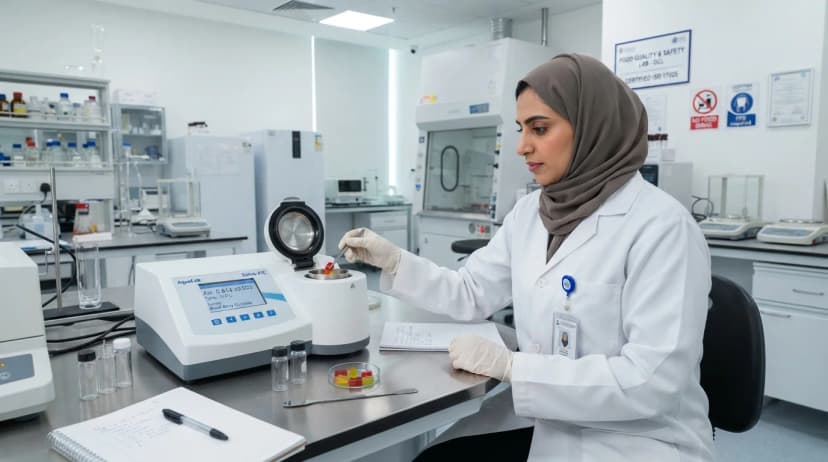
When importing gummy supplements, the SFDA will rigorously audit the product's halal status. Providing a recognized Halal Certificate for the finished product is a non-negotiable requirement for customs clearance. Because pectin eliminates the complex documentation required to prove the Zabiha status of gelatin, the regulatory approval process is significantly smoother, faster, and far less prone to rejection.
Formulate for the Global Market with Confidence
If you are looking to penetrate the Saudi Arabian, UAE, or broader global halal markets, pivoting to pectin-based formulations is the smartest strategic move your brand can make. It solves the religious compliance puzzle, guarantees thermodynamic stability in hot climates, and appeals broadly to the booming vegan and clean-label consumer demographics.
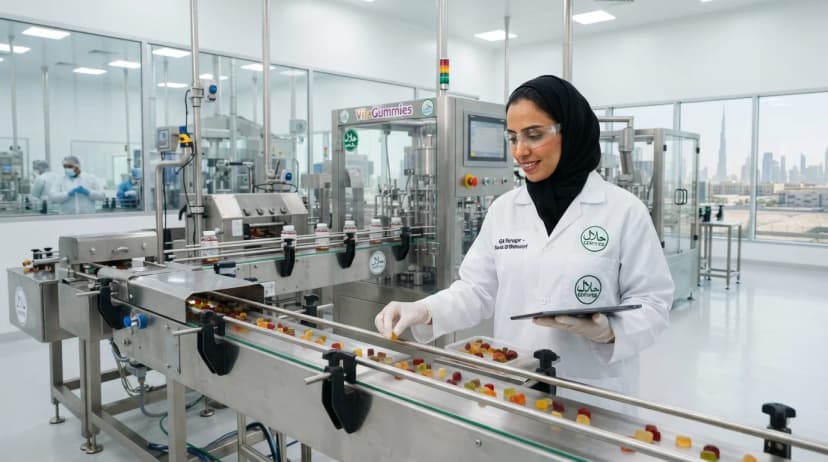
At Probiota Innovations, we specialize in formulating high-brix, highly stable, and fully halal-certified pectin gummies tailored for strict regulatory environments.
Learn More About Our Halal Gummy Manufacturing Capabilities
Don't let compliance issues delay your launch.
Partner with a manufacturer that understands the intricacies of SFDA regulations, thermodynamic stability, and end-to-end halal certification.
Contact Our Formulation Team Today
Recommended Manufacturing Solution
Want to discuss your formulation?
Our experts help brands launch technically complex probiotic and functional gummies.