Formulation Strategies for Vegan, Gelatin-Free Gummies in Contract Manufacturing
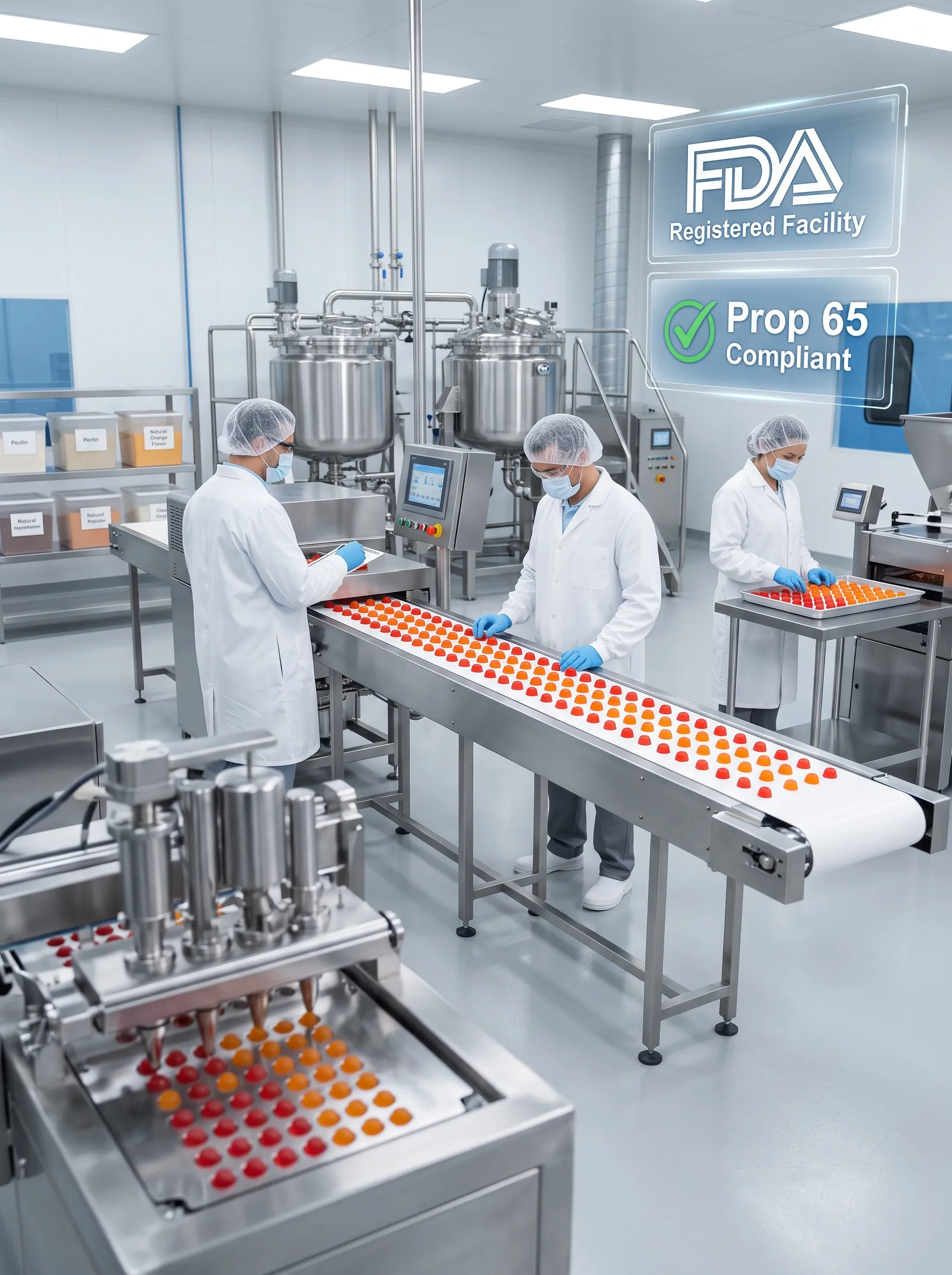
Formulation Strategies for Vegan, Gelatin-Free Gummies in Contract Manufacturing
The demand for vegan dietary supplements is no longer a niche trend; it is a global mandate. As consumers increasingly reject animal-derived ingredients for ethical, environmental, and religious reasons, supplement brands must pivot to gelatin-free gummy formulations.
However, replacing gelatin is not as simple as swapping one powder for another in the mixing tank. Removing gelatin fundamentally alters the physical chemistry of the gummy. Here are the technical formulation strategies Contract Manufacturing Organizations (CMOs) use to engineer perfect vegan gummies.
1. Selecting the Plant-Based Hydrocolloid
A hydrocolloid is the substance that traps water and sugar to form a gel. When you remove gelatin, you must select a plant-based alternative.
- Agar-Agar: Derived from seaweed, agar forms a very firm, brittle gel. While excellent for specific culinary applications, it often lacks the soft chewability expected in a commercial gummy vitamin.
- Carrageenan: Also derived from red seaweed, carrageenan can mimic the elastic bounce of gelatin closer than other vegan options. However, it faces intense consumer pushback and "clean-label" scrutiny due to controversies surrounding digestive inflammation.
- High-Methoxyl (HM) Pectin: Derived from citrus peels and apples, HM Pectin is the undisputed king of premium vegan gummy manufacturing. It offers a clean label, a pleasant "short bite," superior flavor release, and incredible heat stability.
2. Mastering the Chemistry of Pectin (pH and Brix)
Unlike gelatin, which gels simply by cooling down, HM Pectin requires a highly specific chemical environment to form its 3D "egg-box" structural matrix. A CMO must master three variables simultaneously:
The Acid Catalyst (pH)
Pectin molecules naturally repel each other. To force them to bond into a gel, the pH of the syrup must be lowered (made more acidic) to neutralize the electrical charges on the pectin molecules. CMOs use precision buffering systems (typically a combination of Citric Acid and Sodium Citrate) to drop the pH of the boiling slurry to exactly 3.2 to 3.6. If the pH is too high, the gummy will never set. If it is too low, it will pre-gel in the pipes before reaching the molds.
The Sugar Solids (Brix)
Pectin also requires high concentrations of dissolved solids (sugar) to pull water away from the pectin molecules, allowing them to interact and bond. The syrup must be cooked to a precisely monitored brix level of 78% to 82%.
The Temperature Kinetics
Because pectin relies on a chemical reaction rather than just thermal cooling, the sequence of ingredient addition is critical. The active vitamins or botanicals are typically added late in the cooking process, right before the acid catalyst is injected, ensuring heat-sensitive ingredients are not degraded while the pectin matrix forms.
3. Addressing the Active Ingredient Payload
When formulating a vegan gummy, every ingredient must be scrutinized, not just the gelling agent.
- Vegan Vitamin D3: Most commercial Vitamin D3 (cholecalciferol) is derived from lanolin (sheep's wool grease), making it non-vegan. Brands must source specifically certified vegan D3 derived from lichen or algae.
- Colors and Polishing: As discussed in previous guides, carmine (crushed insect dye) must be replaced with plant-derived juices (black carrot, beet). The polishing wax (like beeswax) must be replaced with plant-based carnauba wax or pure MCT oil.
Partnering with Pectin Experts
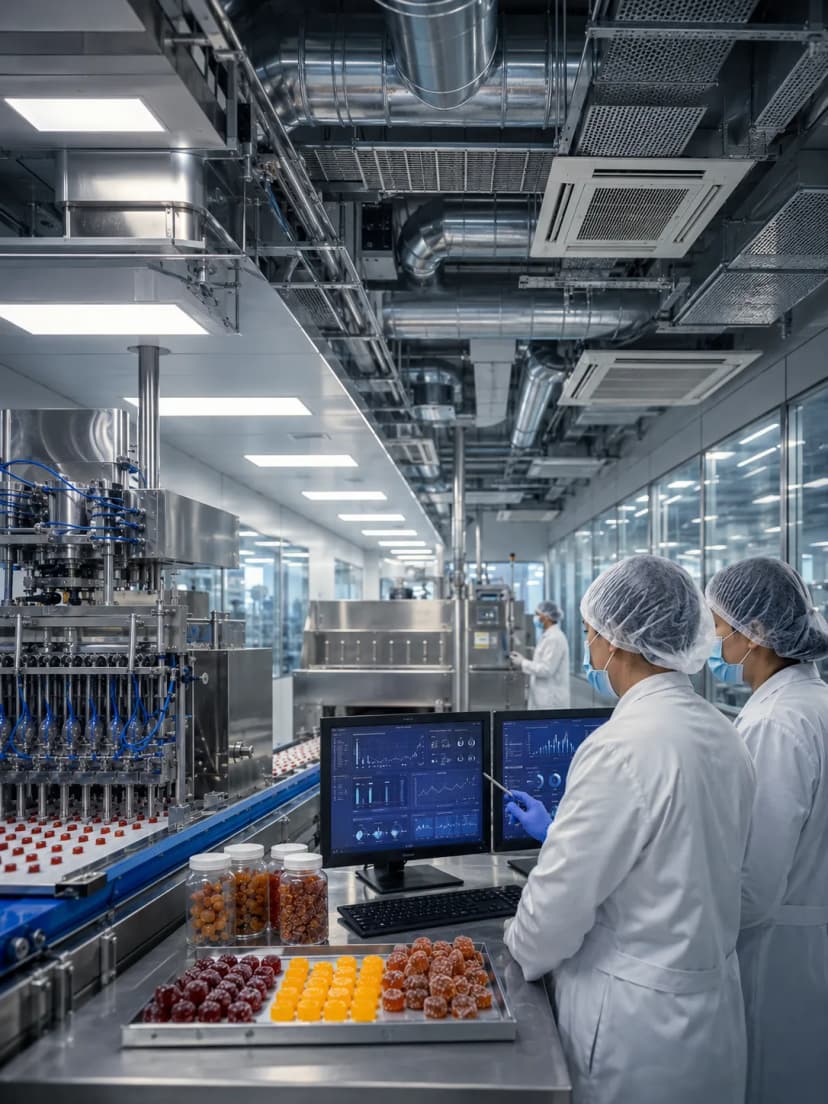
Attempting to run a vegan pectin formula on legacy machinery designed for gelatin almost always results in failure. Pectin requires high-speed depositing, rapid cooling, and inline acid-dosing.
At Probiota Innovations, our starchless mogul technology was engineered specifically for advanced plant-based hydrocolloids. We navigate the complex chemistry of vegan formulations so you can launch a flawless, clean-label product that meets the demands of the modern global consumer.
Frequently Asked Questions (FAQ)
1. Can I make a sugar-free vegan gummy? Yes. While HM Pectin requires high dissolved solids (brix) to gel, those solids do not have to be sucrose or corn syrup. Advanced formulations use sugar alcohols like Erythritol or functional fibers like Polydextrose to achieve the necessary brix without the sugar calories.
2. Do vegan gummies cost more to manufacture? The raw material cost of high-quality HM pectin is generally higher than commodity bovine gelatin. However, the premium retail price commanded by a "100% Vegan" claim significantly offsets the raw material difference, often resulting in higher overall profit margins for the brand.
3. Are pectin gummies suitable for children's vitamins? Absolutely. Because pectin shears cleanly (a short bite) rather than forming a tough, chewy mass like gelatin, it is actually a safer and more pleasant texture for pediatric supplements.
Recommended Manufacturing Solution
Learn how we scale private label probiotic gummies for global brands
Want to discuss your formulation?
Our experts help brands launch technically complex probiotic and functional gummies.