NSF/ANSI 455-2 Audit Preparation for Private Label Gummy Manufacturers Targeting USA
NSF/ANSI 455-2 Audit Preparation for Private Label Gummy Manufacturers Targeting USA
For international contract manufacturers aiming to attract premium American nutraceutical brands, holding a basic GMP certificate is no longer a competitive differentiator; it is merely the cost of entry. The new gold standard for capturing the US market is the NSF/ANSI 455-2 certification.
Unlike routine FDA inspections, which can be infrequent and variable in depth, an NSF audit is grueling, exhaustive, and uncompromising. Achieving private label NSF certification USA requires a facility to operate in a state of perpetual readiness.
This comprehensive NSF 455-2 compliance guide details the rigorous NSF 455-2 audit preparation required by elite gummy manufacturers.
Understanding the NSF/ANSI 455-2 Standard
The NSF/ANSI 455-2 standard was developed specifically for the dietary supplement industry. It incorporates the requirements of FDA 21 CFR Part 111 (cGMP for Dietary Supplements) but layers on additional, highly prescriptive requirements regarding risk management, supplier qualification, and product testing.
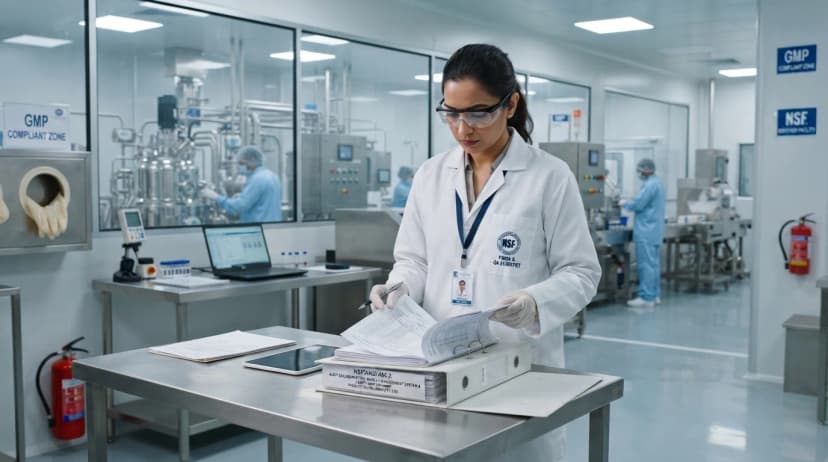
Crucially, NSF audits can be unannounced. A facility cannot simply "clean up" the week before the auditor arrives. Total audit readiness gummy manufacturing must be ingrained in the facility's daily culture.
The NSF 455-2 Gummy Audit Checklist: Critical Focus Areas
When preparing for an NSF audit, a private label gummy manufacturer must obsess over several critical control vectors.
1. Robust Supplier Qualification Program
NSF auditors will rigorously scrutinize where your raw materials come from. You cannot simply accept a supplier's Certificate of Analysis (CoA) blindly.
- The Preparation: The manufacturer must have a documented SOP for qualifying suppliers. This often involves sending extensive questionnaires to the raw material supplier, reviewing their third-party audits (e.g., GFSI, ISO), and conducting historical trend analysis on their CoAs.
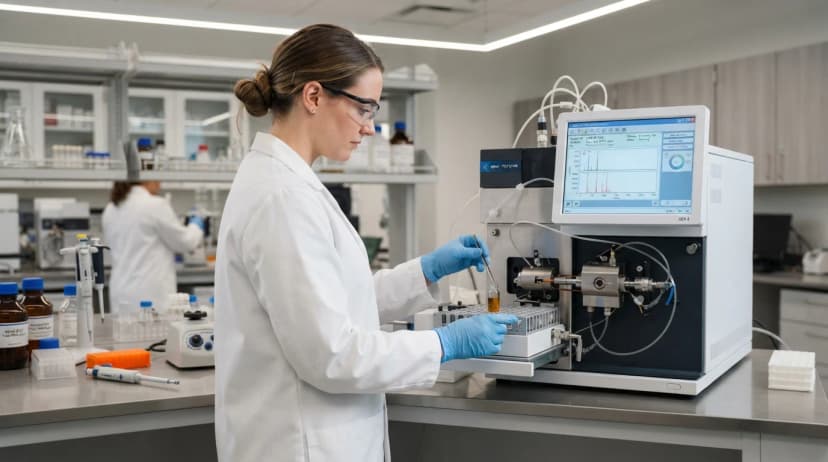
- Identity Testing: Crucially, the facility must prove they conduct independent identity testing (e.g., FTIR, HPLC) on every incoming lot of active ingredients (like botanical extracts or vitamins) before allowing it onto the gummy production line, ensuring it matches the qualified supplier's CoA.
2. Impeccable Master Manufacturing Records (MMR)
The MMR is the recipe and the blueprint for the gummy.
- The Preparation: Auditors will review MMRs to ensure they contain exact specifications for every step: mixing times, temperature controls for the pectin slurry, pH targets, and specific gravity measurements.
- Overage Justification: If the formulation includes an "overage" (e.g., adding 120% of the claimed Vitamin C to account for degradation during the gummy's shelf life), the MMR must include scientific justification and stability data proving why that specific overage is necessary and safe.
3. Allergen Control and Segregation
The US FDA recognizes nine major food allergens (including milk, tree nuts, and soy). Cross-contamination is a primary trigger for FDA recalls and a major focus of NSF audits.
- The Preparation: The facility must have a documented Allergen Control Plan. If a gummy utilizes a potentially allergenic ingredient (or shares a facility with one), there must be strict physical segregation of raw materials and validated Clean-In-Place (CIP) protocols.
- Starchless Advantage: This is where facilities utilizing starchless mogul technology excel. Traditional starch beds can trap allergens and carry them into subsequent batches. Silicone molds used in starchless manufacturing are subjected to high-heat, high-pressure washing between every single run, making allergen control highly verifiable.
4. Calibration and Equipment Maintenance
An auditor will walk the production floor and randomly check the calibration tags on scales, pH meters, and water activity (aw) analyzers.
- The Preparation: Every piece of equipment used to measure a critical parameter must be calibrated against traceable national standards (like NIST). The facility must maintain a master calibration schedule and digital logs proving the equipment was within tolerance during the production of any specific batch.
5. Out of Specification (OOS) Investigations
Things occasionally go wrong in manufacturing. NSF auditors care less about the fact that an error occurred and more about how the facility handled it.
- The Preparation: If a batch of gummies fails its final QC test (e.g., the water activity was too high, or the active assay was too low), there must be a formally documented OOS investigation. The investigation must identify the root cause, outline Corrective and Preventive Actions (CAPA), and properly document the quarantine and destruction of the non-compliant batch.
Why US Brands Demand NSF 455-2
For a US procurement manager, sourcing from an Indian facility that holds NSF/ANSI 455-2 certification completely mitigates the regulatory risk of importing. It provides independent, irrefutable proof that the foreign facility operates at a standard equivalent to the best domestic manufacturers in the United States, while still offering the massive cost arbitrage of overseas production.
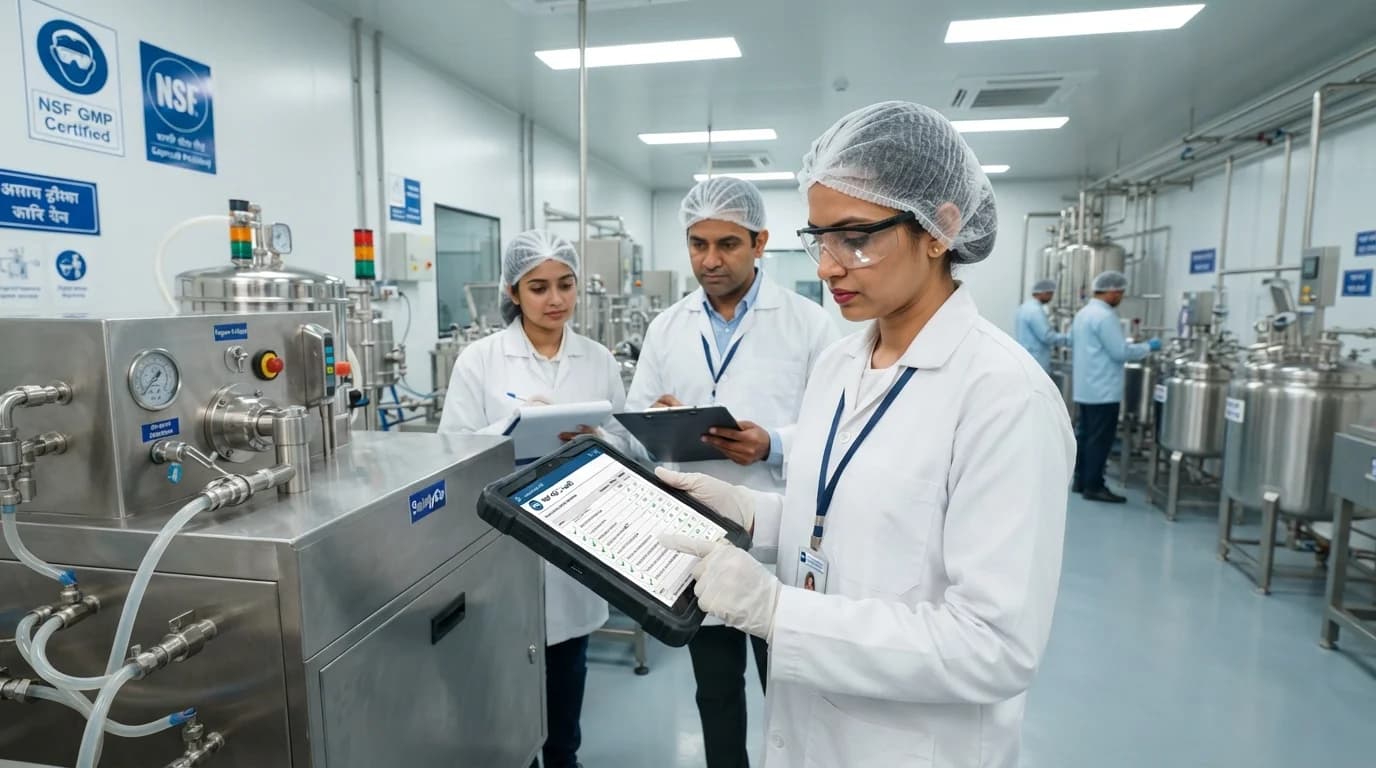
At Probiota Innovations, our world-class facility is designed from the ground up for total compliance. We operate in a state of continuous audit readiness, providing US brands with the highest tier of quality assurance and peace of mind.
Explore our Quality Assurance and Certifications
Frequently Asked Questions (FAQ)
1. Is NSF/ANSI 455-2 a legal requirement to sell gummies in the US? No, it is a voluntary third-party certification. The legal requirement is compliance with FDA 21 CFR 111. However, because FDA inspections of foreign facilities are rare, major US retailers (like Target, CVS, and Whole Foods) and premium brands increasingly demand NSF certification as a prerequisite for doing business to guarantee cGMP compliance.
2. How long does it take for a facility to prepare for an NSF audit? For a facility transitioning from basic local standards, achieving NSF readiness can take 12 to 18 months of intensive QMS (Quality Management System) overhaul. For facilities already operating at high pharmaceutical standards, the gap analysis and preparation usually take 3 to 6 months.
3. What happens if a facility fails an NSF audit? NSF does not immediately revoke certification for minor infractions (non-conformances). They issue Corrective Action Requests (CARs). The facility has a strict timeline to investigate the root cause, implement a fix, and prove to NSF that the issue is resolved. Major, systemic failures, however, can result in suspension.
4. Why is identity testing of raw materials so heavily scrutinized? Economically Motivated Adulteration (EMA) is a major issue in the global botanical supply chain (e.g., replacing expensive authentic ginseng with cheap filler). NSF demands that the manufacturer independently verify the identity of the raw material to protect the end consumer from fraud and potential toxicity.
Recommended Manufacturing Solution
Scale internationally with our export-focused gummy production
Want to discuss your formulation?
Our experts help brands launch technically complex probiotic and functional gummies.